
Overcoming Onychomycosis™ By Scott Davis If you want a natural and proven solution for onychomycosis, you should not look beyond Overcoming Onychomycosis. It is easy to follow and safe as well. You will not have to take drugs and chemicals. Yes, you will have to choose healthy foods to treat your nail fungus. You can notice the difference within a few days. Gradually, your nails will look and feel different. Also, you will not experience the same condition again!
What is the prevalence of insomnia in women versus men worldwide, and how do hormonal transitions like menopause contribute to the disparity?
Globally, the prevalence of insomnia is significantly higher in women than in men. The most commonly cited figure is that women are roughly 1.5 to 2 times more likely to report symptoms of insomnia and to be diagnosed with the condition. This disparity is not fully understood, but a key contributing factor is the influence of hormonal fluctuations and transitions, particularly during the menstrual cycle, pregnancy, and menopause.
Global Prevalence Disparity
The gender difference in insomnia prevalence is a consistent finding across numerous epidemiological studies and meta-analyses worldwide. While the exact numbers vary by study, the trend is clear. A global review of insomnia studies found that female prevalence rates were consistently higher than male rates across different age groups and countries. For example, a large study in the United States found that about 12% of women reported chronic insomnia symptoms compared to 8% of men. Similarly, a European study reported that women were more than twice as likely to have difficulty falling asleep and staying asleep.
The reasons for this disparity are multifaceted, involving a complex interplay of biological, psychological, and social factors. Women tend to have higher rates of anxiety and depression, which are strong risk factors for insomnia. They also often bear a greater burden of caregiving responsibilities and household duties, which can increase stress and disrupt sleep schedules. However, a major biological factor that cannot be overlooked is the impact of hormonal changes.
Hormonal Transitions and Their Contribution
Hormonal transitions are a key biological driver of the disparity in insomnia prevalence between women and men. The fluctuations in sex hormones, specifically estrogen and progesterone, have a profound effect on the brain’s sleep-regulating centers.
- The Menstrual Cycle: The cyclical changes in hormone levels during the menstrual cycle can significantly affect sleep quality. In the luteal phase (the period after ovulation), progesterone levels rise. Progesterone has a sedative effect and can promote sleep, but the premenstrual drop in both progesterone and estrogen can lead to sleep disturbances, including difficulty falling asleep and fragmented sleep.
- Pregnancy: Pregnancy is a period of dramatic hormonal change that has a significant impact on sleep. In the first trimester, a surge in progesterone can cause increased daytime sleepiness, while in later trimesters, physical discomfort from the growing fetus, frequent urination, and sleep apnea can lead to severe sleep fragmentation.
- Menopause: Menopause is arguably the most significant hormonal transition that contributes to the gender disparity in insomnia. As a woman approaches and goes through menopause, her production of estrogen and progesterone declines sharply. The loss of these hormones has a direct impact on sleep:
- Estrogen’s Role: Estrogen plays a vital role in regulating the sleep-wake cycle by influencing the body’s internal thermostat and the production of serotonin and other neurotransmitters that are essential for sleep. The decline in estrogen can lead to hot flashes and night sweats, which are a major cause of awakening and sleep fragmentation.
- Progesterone’s Role: The loss of progesterone is particularly problematic. As a natural sedative, progesterone has a calming effect on the nervous system. Its decline can lead to increased anxiety and a feeling of being “wired,” making it difficult to fall and stay asleep.
In addition to the direct hormonal effects, the psychological and physical symptoms associated with menopause, such as mood swings, depression, and joint pain, can further exacerbate sleep problems. This is why insomnia is often considered one of the hallmark symptoms of perimenopause and menopause.
Conclusion
In conclusion, the prevalence of insomnia is demonstrably higher in women than in men worldwide. While lifestyle and psychosocial factors play a role, the biological influence of hormonal transitionsparticularly during the menstrual cycle, pregnancy, and menopauseis a major contributor to this disparity. The decline of estrogen and progesterone during menopause, in particular, has a direct and significant impact on sleep quality, leading to the increased prevalence of insomnia in this demographic. Understanding these hormonal influences is crucial for developing targeted and effective treatments for women with sleep disorders.
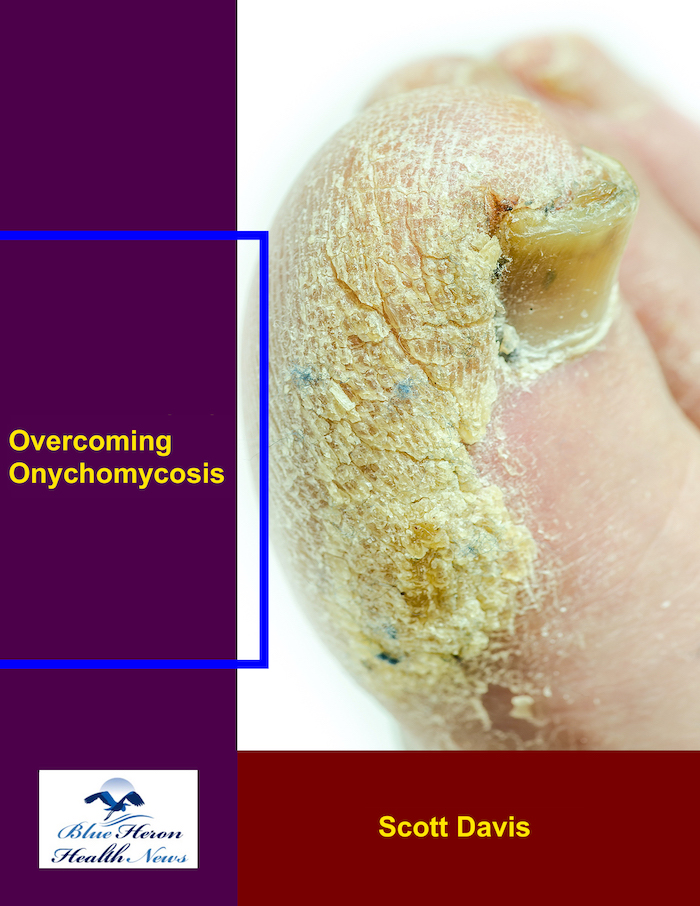
Overcoming Onychomycosis™ By Scott Davis If you want a natural and proven solution for onychomycosis, you should not look beyond Overcoming Onychomycosis. It is easy to follow and safe as well. You will not have to take drugs and chemicals. Yes, you will have to choose healthy foods to treat your nail fungus. You can notice the difference within a few days. Gradually, your nails will look and feel different. Also, you will not experience the same condition again!

I’m Mr.Hotsia, sharing 30 years of travel experiences with readers worldwide. This review is based on my personal journey and what I’ve learned along the way. Learn more |