
The Chronic Kidney Disease Solution™ By Shelly Manning It is an eBook that includes the most popular methods to care and manage kidney diseases by following the information provided in it. This easily readable eBook covers up various important topics like what is chronic kidney disease, how it is caused, how it can be diagnosed, tissue damages caused by chronic inflammation, how your condition is affected by gut biome, choices for powerful lifestyle and chronic kidney disease with natural tools etc.
How does SGLT2 inhibitor therapy slow CKD progression in diabetes and non-diabetes, what outcome trials show, and how does this compare with ACEi/ARB monotherapy?
SGLT2 inhibitor therapy slows the progression of chronic kidney disease (CKD) by reducing glomerular hyperfiltration and lowering intraglomerular pressure, a mechanism that is effective in both diabetic and non-diabetic kidney disease. These drugs, originally developed to treat type 2 diabetes by promoting glucose excretion in the urine, have shown a remarkable renoprotective effect that extends beyond their glucose-lowering properties. This dual benefit has led to a paradigm shift in the management of CKD.
Mechanism of Action in CKD
The primary way SGLT2 inhibitors protect the kidneys is by a hemodynamic effect on the glomerulus, the filtering unit of the kidney. In many forms of kidney disease, especially in diabetes, there is a state of hyperfiltration, where the glomeruli are working overtime, leading to increased pressure within the capillaries of the glomerulus. This elevated pressure, known as intraglomerular hypertension, is a key driver of kidney damage and scarring over time. SGLT2 inhibitors work by blocking the reabsorption of sodium and glucose in the proximal tubule of the kidney. This increased delivery of sodium to the distal tubules activates a feedback mechanism called the tubuloglomerular feedback. This mechanism senses the higher sodium concentration and signals the afferent arteriole (the blood vessel leading into the glomerulus) to constrict. This constriction effectively reduces blood flow into the glomerulus, thereby lowering the intraglomerular pressure and mitigating the damaging effects of hyperfiltration.
This mechanism explains why SGLT2 inhibitors are effective in both diabetic and non-diabetic CKD. While the glucose-lowering effect is a bonus in diabetic patients, the core benefit for the kidney is the reduction in pressure, which is a common problem in many forms of progressive kidney disease. In addition to this hemodynamic effect, there is growing evidence that SGLT2 inhibitors also have other beneficial effects, including reducing inflammation and fibrosis in the kidney, which are also key factors in the progression of CKD. They also promote mild diuresis and natriuresis (excretion of water and sodium), which can help to lower systemic blood pressure, providing another layer of kidney protection.
Outcome Trials and Clinical Evidence
The effectiveness of SGLT2 inhibitors in slowing CKD progression has been unequivocally demonstrated in large-scale, placebo-controlled outcome trials. These trials have enrolled a diverse population of patients, including those with and without type 2 diabetes. The results have been so compelling that they have changed clinical guidelines worldwide.
The DAPA-CKD trial is a landmark study that specifically evaluated the effects of dapagliflozin in patients with CKD, with or without type 2 diabetes. The trial was stopped early due to overwhelming evidence of efficacy. The results showed that dapagliflozin significantly reduced the risk of the primary composite endpoint, which included a sustained decline in estimated glomerular filtration rate (eGFR), end-stage kidney disease, or death from renal or cardiovascular causes. The benefit was consistent across both diabetic and non-diabetic participants. Another key study, the EMPEROR-Kidney trial, demonstrated similar results with empagliflozin, showing a significant reduction in the risk of CKD progression and cardiovascular death in a broad population of patients with CKD. These trials, along with others like the CREDENCE trial, have collectively provided robust evidence that SGLT2 inhibitors are a foundational therapy for kidney protection.
Comparison with ACEi/ARB Monotherapy
For decades, ACE inhibitors (ACEi) and angiotensin II receptor blockers (ARBs) have been the standard of care for slowing CKD progression. Their mechanism of action also involves reducing intraglomerular pressure, but they do so differently from SGLT2 inhibitors. ACEi/ARBs work by blocking the renin-angiotensin-aldosterone system (RAAS). By blocking this system, they cause both the afferent and efferent arterioles (the blood vessels leading to and from the glomerulus) to dilate, with a more pronounced effect on the efferent arteriole. This reduces the pressure within the glomerulus and helps to lower blood pressure systemically. They also have anti-inflammatory and anti-fibrotic effects.
While both classes of drugs reduce intraglomerular pressure, their mechanisms are distinct, and this leads to a powerful synergy when they are used together. ACEi/ARBs reduce pressure by relaxing the arteriole exiting the glomerulus, while SGLT2 inhibitors reduce pressure by constricting the arteriole entering the glomerulus. The combination of these two effects provides a more profound and complementary reduction in intraglomerular pressure than either drug alone. Clinical trials have shown that adding an SGLT2 inhibitor to a patient already on a maximum tolerated dose of an ACEi or ARB provides an additional, significant benefit in terms of slowing CKD progression and reducing cardiovascular events. This is why the current standard of care for many patients with CKD is a combination of both therapies.
In a direct comparison:
- Mechanism: ACEi/ARBs block the RAAS to cause efferent arteriolar dilation and reduce intraglomerular pressure. SGLT2 inhibitors block sodium reabsorption in the proximal tubule, activating tubuloglomerular feedback and causing afferent arteriolar constriction, also reducing intraglomerular pressure.
- Efficacy: Both are highly effective at slowing CKD progression. However, major outcome trials have shown that SGLT2 inhibitors provide an additive benefit when used in combination with ACEi/ARBs. The renoprotective effect of SGLT2 inhibitors is independent of and complementary to that of RAAS blockers.
- Cardiovascular Benefits: Both classes of drugs have demonstrated significant cardiovascular benefits. ACEi/ARBs reduce the risk of heart attacks and strokes primarily by lowering systemic blood pressure and improving vascular function. SGLT2 inhibitors have shown a unique and powerful ability to reduce hospitalization for heart failure, likely due to a combination of their diuretic effect, reduced blood pressure, and other cardio-renal metabolic effects.
- Indications: ACEi/ARBs have been the standard of care for patients with CKD, particularly those with proteinuria (excess protein in the urine). SGLT2 inhibitors are now recommended as a first-line therapy for CKD, particularly in patients with diabetes, and are increasingly used in non-diabetic CKD as well.
In conclusion, SGLT2 inhibitors represent a major advance in nephrology, providing a powerful, new mechanism for slowing CKD progression. While ACEi/ARBs remain a cornerstone of treatment, SGLT2 inhibitors offer a complementary and synergistic approach, making their combination the most effective strategy for preserving kidney function in both diabetic and non-diabetic populations.
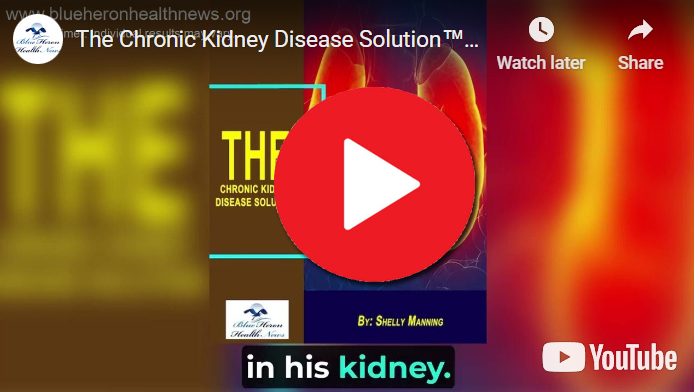
The Chronic Kidney Disease Solution™ By Shelly Manning It is an eBook that includes the most popular methods to care and manage kidney diseases by following the information provided in it. This easily readable eBook covers up various important topics like what is chronic kidney disease, how it is caused, how it can be diagnosed, tissue damages caused by chronic inflammation, how your condition is affected by gut biome, choices for powerful lifestyle and chronic kidney disease with natural tools etc.

I’m Mr.Hotsia, sharing 30 years of travel experiences with readers worldwide. This review is based on my personal journey and what I’ve learned along the way. Learn more |