
Overcoming Onychomycosis™ By Scott Davis If you want a natural and proven solution for onychomycosis, you should not look beyond Overcoming Onychomycosis. It is easy to follow and safe as well. You will not have to take drugs and chemicals. Yes, you will have to choose healthy foods to treat your nail fungus. You can notice the difference within a few days. Gradually, your nails will look and feel different. Also, you will not experience the same condition again!
What is the prevalence of insomnia among elderly populations in Europe and Asia, and how do polypharmacy reduction strategies compare with hypnotics?
The prevalence of insomnia among elderly populations in both Europe and Asia is significantly high, though it varies by country and methodology. Data suggests that in Europe, the prevalence of insomnia complaints in adults over 60 ranges from approximately 17% to 31%. In Asia, the rates are often higher, with studies from China and Thailand reporting prevalence rates ranging from 37% to over 50%. This difference may be due to cultural factors, healthcare access, or variations in study design. Regardless of the region, the high prevalence underscores insomnia as a major public health issue in the elderly.
Insomnia Prevalence: European and Asian Perspectives 🌍
Insomnia is a pervasive problem that disproportionately affects older adults worldwide. This is due to a combination of age-related physiological changes, such as shifts in the circadian rhythm and a decrease in slow-wave sleep, and lifestyle factors like co-morbidities and medications.
In Europe, the prevalence of insomnia complaints is substantial, with notable variations across countries. The Survey of Health, Ageing and and Retirement in Europe (SHARE) showed that sleep problems in individuals aged 50 and older ranged from a low of around 17% in Denmark and Italy to a high of around 31% in Poland. Other European studies have confirmed these high rates. For example, a French study on community-dwelling individuals aged 65 or older found that 30.9% of them reported insomnia complaints. These figures are often based on self-reported symptoms, which may not capture the full clinical picture but still highlight a significant level of sleep-related distress.
In Asia, the prevalence of insomnia appears to be even higher. Studies from a Chinese cohort found that the prevalence of poor sleep quality among older adults ranged from 37.8% to 41.5% in urban areas. In Thailand, one study reported that the one-month prevalence of insomnia was as high as 46.3% in a random sample of elderly individuals. Other data from Asian countries like Taiwan and the Philippines also show a high overall prevalence, with some regional studies reaching as high as 52%. These high numbers are a major concern, as they are often associated with other health issues like depression and chronic medical conditions, which are also common in older adults.
Polypharmacy Reduction vs. Hypnotics 💊
The comparison between polypharmacy reduction strategies and the use of hypnotics for treating insomnia in the elderly is a critical one, with both approaches having distinct advantages and disadvantages. This is a complex clinical decision, and evidence-based guidelines generally favor non-pharmacological interventions and a reduction in medication burden over the long-term use of hypnotics.
The Problem of Polypharmacy and Insomnia 😩
Polypharmacy, defined as the use of multiple medications, is a major issue for older adults, and it is a key contributor to insomnia. Many commonly prescribed medications have side effects that can directly disrupt sleep. For example, some beta-blockers, corticosteroids, and diuretics can cause insomnia or fragmented sleep. Even seemingly benign over-the-counter medications can contain stimulants. Furthermore, drug interactions can intensify side effects or cause cognitive changes that disrupt sleep patterns. The relationship is often cyclical: an elderly person experiences sleep problems, is prescribed a hypnotic, which may interact with their other medications, leading to new symptoms that require more medications.
Polypharmacy Reduction Strategies (Deprescribing) 📉
Deprescribing is a systematic process of identifying and discontinuing medications that are potentially inappropriate or no longer necessary. This is often the first and most crucial step in managing insomnia in the elderly.
- Targeted Intervention: This approach directly addresses the underlying cause of insomnia if it is medication-induced. It focuses on a patient’s entire medication list, not just the sleep problem in isolation.
- Tools and Guidelines: Healthcare providers use specific tools like the Beers Criteria and STOPP/START criteria to identify medications that are potentially inappropriate for older adults.
- Outcomes: The primary outcomes of deprescribing for insomnia are a reduction in the use of potentially harmful medications and an improvement in overall sleep quality as the medication-induced sleep disruptions cease. Studies have shown that a pharmacist-led or physician-led deprescribing intervention can lead to a significant increase in the number of patients who successfully discontinue sedative-hypnotics. It also reduces the risk of adverse events like falls, confusion, and delirium, which are common with many hypnotics.
Hypnotic Medications: A Short-Term Fix with Long-Term Risks 😴
Hypnotics are a class of medications designed to induce sleep. While they can be effective for short-term insomnia, their use in the elderly is highly controversial due to the increased risk of adverse effects.
- Common Hypnotics: The most commonly prescribed hypnotics are benzodiazepines and Z-drugs (e.g., zolpidem, zopiclone). Other options include low-dose doxepin and melatonin receptor agonists.
- Short-Term Efficacy: Randomized controlled trials have shown that hypnotics can improve sleep latency (the time it takes to fall asleep) and total sleep time. For instance, low-dose doxepin and eszopiclone have been shown to be effective in prolonging sleep duration compared to a placebo.
- Significant Risks: The efficacy of hypnotics in older adults is often outweighed by the significant risks. These include an increased risk of cognitive impairment, daytime drowsiness, and falls. The American Geriatrics Society strongly discourages the use of benzodiazepines and Z-drugs in the elderly due to these risks. Furthermore, long-term use of these medications can lead to tolerance, dependence, and withdrawal symptoms upon discontinuation, making it difficult to stop taking them. Chronic use of sedative-hypnotics has also been shown to be detrimental to sleep architecture, paradoxically worsening sleep quality over time.
Conclusion: A Hierarchical Approach ⚖️
The evidence overwhelmingly supports a hierarchical approach to treating insomnia in the elderly. Polypharmacy reduction and deprescribing should be the first line of action, especially when a patient’s sleep problems are likely linked to their medication regimen. This strategy is not just about managing insomnia; it is about improving the patient’s overall health and reducing their risk of serious adverse events.
Hypnotics, on the other hand, should be used as a last resort and only for short-term use. Their role is to provide temporary relief while a more comprehensive, long-term strategy, such as cognitive-behavioral therapy for insomnia (CBT-I) and lifestyle modifications, is implemented. The long-term use of hypnotics, particularly in the elderly, is not a sustainable or safe solution. Ultimately, the best outcome for a patient with insomnia and polypharmacy is to reduce their medication burden and restore their natural sleep patterns, rather than adding another pill to the list.
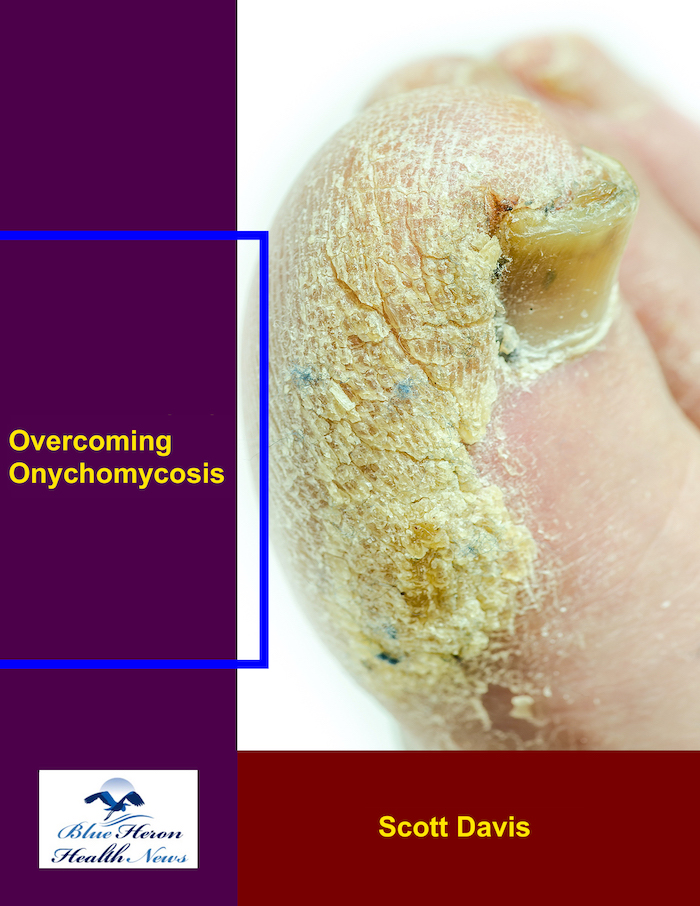
Overcoming Onychomycosis™ By Scott Davis If you want a natural and proven solution for onychomycosis, you should not look beyond Overcoming Onychomycosis. It is easy to follow and safe as well. You will not have to take drugs and chemicals. Yes, you will have to choose healthy foods to treat your nail fungus. You can notice the difference within a few days. Gradually, your nails will look and feel different. Also, you will not experience the same condition again!

I’m Mr.Hotsia, sharing 30 years of travel experiences with readers worldwide. This review is based on my personal journey and what I’ve learned along the way. Learn more |