
Overcoming Onychomycosis™ By Scott Davis If you want a natural and proven solution for onychomycosis, you should not look beyond Overcoming Onychomycosis. It is easy to follow and safe as well. You will not have to take drugs and chemicals. Yes, you will have to choose healthy foods to treat your nail fungus. You can notice the difference within a few days. Gradually, your nails will look and feel different. Also, you will not experience the same condition again!
What is the prevalence of autoimmune hypothyroidism (Hashimoto’s thyroiditis) globally, supported by meta-analyses, and how do Japanese populations compare with Western countries?
Autoimmune hypothyroidism, primarily caused by Hashimoto’s thyroiditis, stands as the most common cause of an underactive thyroid in iodine-sufficient regions of the world. Its prevalence varies significantly across different global populations, influenced by a complex interplay of genetic predisposition, environmental triggers, and demographic factors like age and sex. Meta-analyses of worldwide data provide a broad understanding of its prevalence, but a closer examination reveals intriguing and clinically significant differences between distinct ethnic groups, particularly when comparing Japanese populations with those in Western countries. The evidence suggests that while Hashimoto’s is a global health issue, its epidemiological footprint in Japan is notably more pronounced, a phenomenon linked to both genetic heritage and high dietary iodine intake.
🌍 A Global Perspective: The Ubiquity of Hashimoto’s Thyroiditis
Hashimoto’s thyroiditis is an autoimmune disorder where the body’s immune system mistakenly attacks the thyroid gland. This chronic inflammation leads to a gradual decline in the gland’s ability to produce thyroid hormones, eventually resulting in hypothyroidism. The hallmark of the disease is the presence of specific autoantibodies in the blood, primarily anti-thyroid peroxidase (TPOAb) and anti-thyroglobulin (TgAb) antibodies. The prevalence of the condition can be measured in two ways: by the presence of these antibodies (autoimmune thyroid disease, or AITD) or by the diagnosis of overt hypothyroidism combined with positive antibodies.
Meta-analyses synthesizing data from numerous studies across the globe have attempted to estimate its overall prevalence. These comprehensive reviews indicate that the prevalence of positive thyroid antibodies in the general population is substantial, ranging from 10% to 20%. However, not everyone with antibodies develops hypothyroidism. The prevalence of overt autoimmune hypothyroidism is lower, estimated to be between 1% and 2% of the global population. There is a strong gender bias, with women being affected 5 to 10 times more often than men. The prevalence also increases significantly with age, peaking in middle-aged and elderly individuals. These figures, while providing a useful global average, mask considerable regional variations. Genetic background is a major determinant, with a higher risk observed in individuals with a family history of thyroid or other autoimmune diseases. Environmental factors, including viral infections (like Epstein-Barr virus), stress, certain medications, and crucially, iodine intake, are also known to trigger or exacerbate the condition in genetically susceptible individuals.
🇯🇵 The Japanese Scenario: A Hotspot for Autoimmune Thyroid Disease
When examining regional data, Japanese populations consistently demonstrate one of the highest prevalences of Hashimoto’s thyroiditis in the world. Numerous studies conducted in Japan over several decades have confirmed this trend. The prevalence of positive thyroid autoantibodies (TPOAb or TgAb) in the Japanese adult population is frequently reported to be in the range of 25% to 35%, and in some studies, even higher, particularly among older women. This is significantly greater than the 10-20% average seen in many Western cohorts.
Consequently, the prevalence of clinically significant hypothyroidism resulting from this autoimmune process is also higher. While the global average for overt hypothyroidism hovers around 1-2%, studies in Japan often place it closer to 2-5%. The Hisayama Study, a long-running prospective cohort study in a Japanese community, has provided invaluable data, showing a high prevalence and incidence of both silent thyroid autoimmunity and overt disease.
The primary explanation for this elevated prevalence is believed to be a combination of two key factors:
- Genetic Susceptibility: Japanese populations, like other East Asian populations, have a distinct genetic background. Specific human leukocyte antigen (HLA) haplotypes, which are genes that regulate the immune system, are strongly associated with a predisposition to autoimmune diseases. Certain HLA variants that are more common in Japanese individuals are known to increase the risk of developing Hashimoto’s thyroiditis. This genetic priming means a larger portion of the population is vulnerable to the disease if exposed to the right environmental triggers.
- High Dietary Iodine Intake: This is perhaps the most critical and well-studied environmental factor. The traditional Japanese diet is rich in seaweed (kombu, nori, wakame), which is an exceptionally concentrated source of iodine. The average daily iodine intake in Japan can be several times higher than the World Health Organization’s recommended daily allowance and significantly exceeds the typical intake in most Western countries. While iodine is essential for thyroid hormone production, excessive intake can be problematic for susceptible individuals. High levels of iodine can increase the immunogenicity of thyroglobulin (a protein within the thyroid), making it a more potent target for the immune system. This “iodine-induced” autoimmunity is thought to be a major driver of the high rates of Hashimoto’s in Japan, acting as the environmental trigger that unmasks the underlying genetic predisposition in a large segment of the population
🇺🇸🇪🇺 Comparing with the West: A Tale of Two Diets and Gene Pools
In contrast, studies from Western countries (North America, Europe, Australia) generally report a lower prevalence. For example, the National Health and Nutrition Examination Survey (NHANES) in the United States found the prevalence of positive TPOAb to be around 13-14%. Similarly, large-scale studies in Europe, like the Whickham Survey in the UK, have reported antibody prevalence rates in the range of 10-15%. The prevalence of overt autoimmune hypothyroidism in these Western populations is consistently reported in the 1-2% range, aligning with the lower end of the global average.
The key difference lies in the same factors that make Japan a hotspot. Western populations have different HLA gene pools with their own set of autoimmune risk variants, but the specific haplotypes that confer a high risk for Hashimoto’s may be less common than in Japan. More significantly, the average dietary iodine intake in the West is much lower. Most Western countries obtain iodine through iodized salt, dairy products, and bread, leading to an intake that is generally considered sufficient but not excessive. This lower iodine environment means that even genetically susceptible individuals are less likely to be exposed to the potent trigger that high iodine consumption represents.
Therefore, the comparison between Japanese and Western populations provides a powerful real-world example of the gene-environment interaction that underpins most autoimmune diseases. The Japanese population has a high genetic susceptibility that is constantly challenged by a high-iodine environment, resulting in a very high prevalence of Hashimoto’s thyroiditis. Western populations, while still having a significant number of genetically susceptible individuals, exist in a lower-iodine environment, which likely prevents many from ever developing the autoimmune response, leading to a lower overall prevalence of the disease. This contrast underscores the critical role of both inherited risk and external triggers in the global epidemiology of autoimmune hypothyroidism.
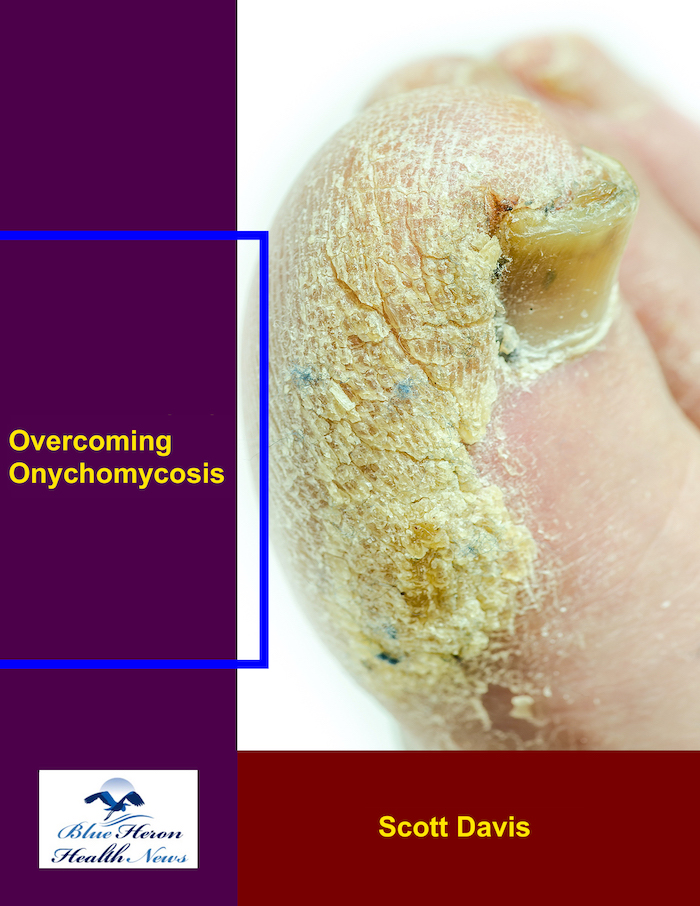
Overcoming Onychomycosis™ By Scott Davis If you want a natural and proven solution for onychomycosis, you should not look beyond Overcoming Onychomycosis. It is easy to follow and safe as well. You will not have to take drugs and chemicals. Yes, you will have to choose healthy foods to treat your nail fungus. You can notice the difference within a few days. Gradually, your nails will look and feel different. Also, you will not experience the same condition again!

I’m Mr.Hotsia, sharing 30 years of travel experiences with readers worldwide. This review is based on my personal journey and what I’ve learned along the way. Learn more |