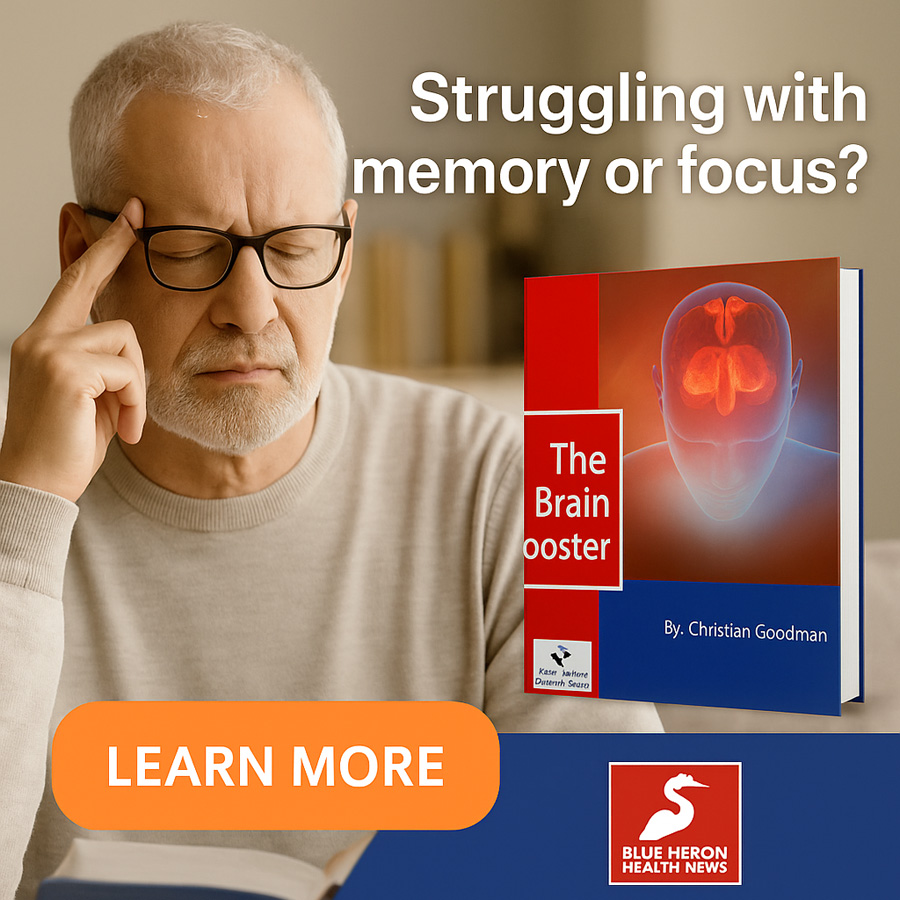
The Brain Booster™ By Christian Goodman works by going into the root of the problem. It identifies those problem areas in our brain and other parts of the body. It is quite evident from the above that reduced blood flow can cause many problems to the overall functioning of the brain. This program addresses this problem scientifically and logically through exercises and principles and does away with the need for capsules, tonics and other such things that could be harmful to the body including our brains.
What role do antioxidants play in protecting brain cells, what proportion of patients with neurological risks show benefit, and how does food intake compare with supplements?
Antioxidants protect brain cells by neutralizing harmful molecules called free radicals, which cause damage through a process called oxidative stress, a key factor in neurodegenerative diseases. While it’s difficult to state a precise proportion, a significant subset of patients with neurological risks, particularly those with low baseline antioxidant levels, show modest benefits from increased antioxidant intake, especially in slowing cognitive decline. Obtaining antioxidants from a diet rich in whole foods like berries and leafy greens is consistently shown to be more effective and safer than relying on high-dose supplements, which have produced disappointing results in large clinical trials and can sometimes be harmful.
🧠 The Cellular Guardians: How Antioxidants Protect Brain Cells 🧠
The human brain, despite representing only about two percent of the body’s weight, is a metabolic powerhouse, consuming over twenty percent of the body’s total oxygen and energy. This intense metabolic activity, essential for everything from thought and memory to basic bodily functions, comes at a high price: the continuous production of highly reactive molecules known as reactive oxygen species (ROS), or free radicals. When the production of these damaging molecules overwhelms the brain’s natural defense systems, a destructive state known as oxidative stress ensues. This process is now recognized as a key culprit in the aging of the brain and a central player in the development of many devastating neurological disorders. To combat this relentless threat, the body relies on a sophisticated army of defenders known as antioxidants. These molecules are the cellular guardians that stand between our neurons and the ravages of oxidative damage, playing a profoundly important role in maintaining brain health and function.
🔬 The Molecular Battleground: Mechanisms of Neuroprotection 🔬
To understand how antioxidants protect the brain, one must first appreciate the nature of the enemy. Free radicals are unstable molecules that are missing an electron. In a desperate attempt to stabilize themselves, they aggressively steal electrons from neighboring molecules, setting off a destructive chain reaction. In the brain, the primary targets of this molecular theft are the essential components of neurons: the fatty acids in cell membranes, critical proteins, and the DNA within the cell’s nucleus.
. The brain is uniquely vulnerable to this type of damage. Its high fat content, particularly the delicate polyunsaturated fatty acids that make up neuronal membranes, provides a rich target for a process called lipid peroxidation. When these fats are damaged, the integrity of the neuron’s membrane is compromised, impairing its ability to communicate and eventually leading to cell death. Oxidative damage to proteins can cause them to misfold and clump together, forming the toxic aggregateslike the amyloid plaques seen in Alzheimer’s diseasethat are a hallmark of neurodegeneration. Damage to DNA can impair the cell’s ability to function and repair itself, pushing it towards an early demise.
Antioxidants halt this destructive cascade through a simple act of generosity: they donate one of their own electrons to the free radical, instantly neutralizing it and stopping the chain reaction. Importantly, the antioxidant molecule itself does not become a destructive free radical after donating its electron. The body has a network of antioxidants that work synergistically. For example, after the fat-soluble antioxidant vitamin E neutralizes a free radical in a cell membrane, the water-soluble vitamin C can come along and “recharge” or regenerate the vitamin E, preparing it to fight again. The body’s own master antioxidant, glutathione, plays a central role in this recycling network. Beyond this direct neutralization, antioxidants also boost the body’s innate defense systems by increasing the production of endogenous antioxidant enzymes like superoxide dismutase (SOD) and catalase. By directly scavenging free radicals and bolstering the brain’s own protective enzymes, antioxidants create a multi-layered defense system that preserves the structural integrity and function of our precious neurons.
📊 A Complex Verdict: The Proportion of Patients Who Benefit 📊
While the biological mechanism for antioxidant protection is clear, the question of how this translates to clinical benefit in patients with neurological riskssuch as those with mild cognitive impairment (MCI), a family history of dementia, or vascular risk factors for strokeis far more complex. It is impossible to state a single, precise proportion of patients who will benefit, as the effect is not a simple “on/off” switch. Instead, the evidence suggests that the benefit is most pronounced in specific subgroups and is often one of modest risk reduction or a slowing of progression rather than a cure.
Large-scale epidemiological studies consistently show that individuals with diets high in antioxidants have a lower risk of developing cognitive decline and dementia. In these observational studies, the difference in risk between the highest and lowest quintiles of antioxidant intake can be substantial, sometimes as high as a 30-40% reduction. This suggests that on a population level, a significant proportion of people derive a neuroprotective benefit from an antioxidant-rich lifestyle.
However, when moving from broad population studies to randomized controlled trials (RCTs) involving at-risk patients, the picture becomes murkier. Many trials using single, high-dose antioxidant supplements have failed to show a significant benefit for the overall study group. The benefit, when it appears, is often seen in subgroup analyses. For example, some studies have found that vitamin E supplementation only slowed cognitive decline in patients who were already in the later stages of Alzheimer’s disease, not in those with milder impairment. Other research suggests that the greatest benefit is seen in individuals who have a low baseline nutritional status or specific genetic risk factors. Therefore, rather than benefiting all patients, it is likely that a specific subsetperhaps those with the highest levels of oxidative stress and the lowest initial antioxidant defensesare the ones who respond most favorably. The proportion is not fifty percent or eighty percent, but rather a gradient of benefit that depends heavily on an individual’s unique physiology, genetics, and baseline diet.
🍓 vs. 💊 Nature’s Synergy: Food Intake vs. Isolated Supplements 🍓
One of the most critical findings in the field of neuroscience and nutrition is the stark difference in outcomes between obtaining antioxidants from whole foods versus high-dose, isolated supplements. The evidence overwhelmingly supports a food-first approach for brain health.
Whole foods, such as berries, leafy greens, nuts, and colorful vegetables, provide a complex, synergistic cocktail of thousands of compounds, not just one or two isolated antioxidants. An orange, for instance, contains vitamin C, but it also provides a rich matrix of bioflavonoids, carotenoids, and other phytonutrients. These compounds work together, enhancing each other’s absorption and recycling within the body. This “food synergy” creates a far more potent and balanced antioxidant effect than can be achieved with a single nutrient. The flavonoids in blueberries, for example, have been shown to not only act as antioxidants but also to directly stimulate neurogenesis (the birth of new neurons) and improve cell signaling. A supplement containing only vitamin C or E cannot replicate this multifaceted biological activity.
In sharp contrast to the consistent benefits seen with antioxidant-rich diets, large-scale clinical trials using high-dose antioxidant supplements have been profoundly disappointing and, in some cases, concerning. Major trials of high-dose vitamin E supplements, for instance, not only failed to prevent cognitive decline but were also associated with an increased risk of hemorrhagic stroke and even all-cause mortality. Similarly, high-dose beta-carotene supplements were found to unexpectedly increase the risk of lung cancer in smokers.
The reasons for this failure are thought to be twofold. First, flooding the body with a massive dose of a single antioxidant can disrupt the delicate, natural balance of the body’s antioxidant network. It can interfere with the absorption and function of other essential nutrients. Second, under certain biological conditions, an isolated antioxidant, after donating its electron, can paradoxically become a “pro-oxidant,” actually contributing to the problem it was meant to solve. This is far less likely to happen when antioxidants are consumed as part of a whole food, where the accompanying cast of other phytonutrients helps to ensure proper recycling and balance. For protecting the brain, the verdict from decades of research is clear: the intricate, natural synergy found in a diet rich in a variety of colorful plants offers effective and safe neuroprotection that isolated, high-dose supplements have consistently failed to deliver.

The Brain Booster™ By Christian Goodman works by going into the root of the problem. It identifies those problem areas in our brain and other parts of the body. It is quite evident from the above that reduced blood flow can cause many problems to the overall functioning of the brain. This program addresses this problem scientifically and logically through exercises and principles and does away with the need for capsules, tonics and other such things that could be harmful to the body including our brains.

I’m Mr.Hotsia, sharing 30 years of travel experiences with readers worldwide. This review is based on my personal journey and what I’ve learned along the way. Learn more |