
Overcoming Onychomycosis™ By Scott Davis If you want a natural and proven solution for onychomycosis, you should not look beyond Overcoming Onychomycosis. It is easy to follow and safe as well. You will not have to take drugs and chemicals. Yes, you will have to choose healthy foods to treat your nail fungus. You can notice the difference within a few days. Gradually, your nails will look and feel different. Also, you will not experience the same condition again!
How does hypothyroidism prevalence differ between northern and southern China, supported by iodine intake studies, and how do supplementation outcomes compare?
🏔️ A Tale of Two Regions: Hypothyroidism Prevalence in Northern and Southern China
The prevalence of hypothyroidism in China presents a fascinating and complex picture, with notable differences observed between the northern and southern regions of the country. This geographical variation is deeply intertwined with the nation’s historical and ongoing relationship with the essential micronutrient, iodine. Historically, northern China, particularly the inland and mountainous regions, was part of the world’s great “goiter belt,” an area characterized by severe, naturally occurring iodine deficiency in the soil and water. This widespread lack of iodine led to a high prevalence of goiter (enlargement of the thyroid gland) and overt hypothyroidism, including its most severe form, cretinism. In stark contrast, the southern coastal regions of China generally had a much more iodine-sufficient environment, with populations consuming seafood and other marine products rich in iodine, resulting in a historically lower prevalence of deficiency-related thyroid disorders. However, the modern picture has been dramatically reshaped by one of the most successful public health interventions in history: China’s Universal Salt Iodization (USI) program, implemented in the mid-1990s. This program has successfully eliminated iodine deficiency in most of the country, but it has also led to a new and evolving landscape of thyroid disease, with some studies now suggesting a higher prevalence of subclinical hypothyroidism and autoimmune thyroiditis in regions that may now have more-than-adequate or even excessive iodine intake. Therefore, the difference between north and south is no longer a simple story of deficiency versus sufficiency, but a more nuanced picture influenced by the shift from iodine scarcity to iodine adequacy or excess.
🔬 The Iodine Connection: Evidence from Intake Studies
The critical role of iodine in the differing prevalence of hypothyroidism between northern and southern China is well-supported by numerous large-scale epidemiological and iodine intake studies conducted over the past three decades. Before the implementation of the USI program, studies from the 1980s and early 1990s consistently documented severe iodine deficiency in the northern provinces. Urinary iodine concentration (UIC), the best indicator of recent iodine intake, was often found to be extremely low in these populations. These studies clearly correlated the low iodine status with a high prevalence of goiter and overt hypothyroidism. After the USI program was introduced, follow-up studies painted a picture of dramatic success. Nationwide surveys showed a massive improvement in UIC, moving the country from a state of deficiency to one of iodine sufficiency and, in some areas, even iodine excess. However, this shift has had complex effects on thyroid health. More recent studies have investigated the link between the now-adequate or high iodine intake and the prevalence of different types of thyroid disorders. Some large cross-sectional studies, such as the Thyroid Disorders, Iodine Status and Diabetes/Obesity (TIDE) project, have provided detailed regional data. These studies have found that while goiter rates have plummeted, the prevalence of subclinical hypothyroidism and autoimmune thyroiditis (the leading cause of hypothyroidism in iodine-sufficient regions) is now a major concern. The data suggests that in populations with a genetic predisposition, a rapid increase in iodine intake can trigger or unmask autoimmune thyroid disease. This effect has been observed in both northern and southern regions that have transitioned to a state of high iodine intake. The evidence clearly shows that the story of hypothyroidism in China is inextricably linked to the story of iodine, with the prevalence and type of the disease shifting in direct response to changes in the population’s iodine status.
💊 From Scarcity to Surplus: Comparing Supplementation Outcomes
The outcomes of iodine supplementation in China, when compared between the historically deficient north and the more sufficient south, reveal both the incredible success of the public health initiative and some of its complex consequences. In the northern regions, the outcome of the Universal Salt Iodization program has been an unmitigated public health triumph in many respects. It has led to the near-total eradication of iodine deficiency disorders, such as goiter and cretinism, which were once a major cause of preventable intellectual disability. For these populations, iodine supplementation has dramatically reduced the prevalence of hypothyroidism that was directly caused by a lack of iodine. However, this same supplementation has contributed to the rise of autoimmune Hashimoto’s thyroiditis as the now-dominant cause of hypothyroidism in the north, mirroring the pattern seen in historically iodine-sufficient countries. In the southern, coastal regions, the outcome is more nuanced. These populations already had a relatively sufficient iodine intake from their diet. The mandatory addition of iodine to the salt supply has, in some of these areas, pushed the population’s average intake into the “more-than-adequate” or “excessive” range. As mentioned, studies have shown that high iodine intake can act as an environmental trigger for autoimmune thyroid disease in susceptible individuals. Therefore, while supplementation has ensured that no pockets of deficiency remain, it may have inadvertently contributed to a higher incidence of autoimmune hypothyroidism in the south. The comparison of outcomes is thus a story of convergence. In the north, supplementation has traded a high prevalence of deficiency-related hypothyroidism for a lower, but still significant, prevalence of autoimmune hypothyroidism. In the south, it has maintained iodine sufficiency but may have slightly increased the prevalence of autoimmune hypothyroidism. The overall outcome has been a shift in the type of hypothyroidism seen across the country, with the nation as a whole now facing the challenges of managing autoimmune thyroid disease in an iodine-replete environment.
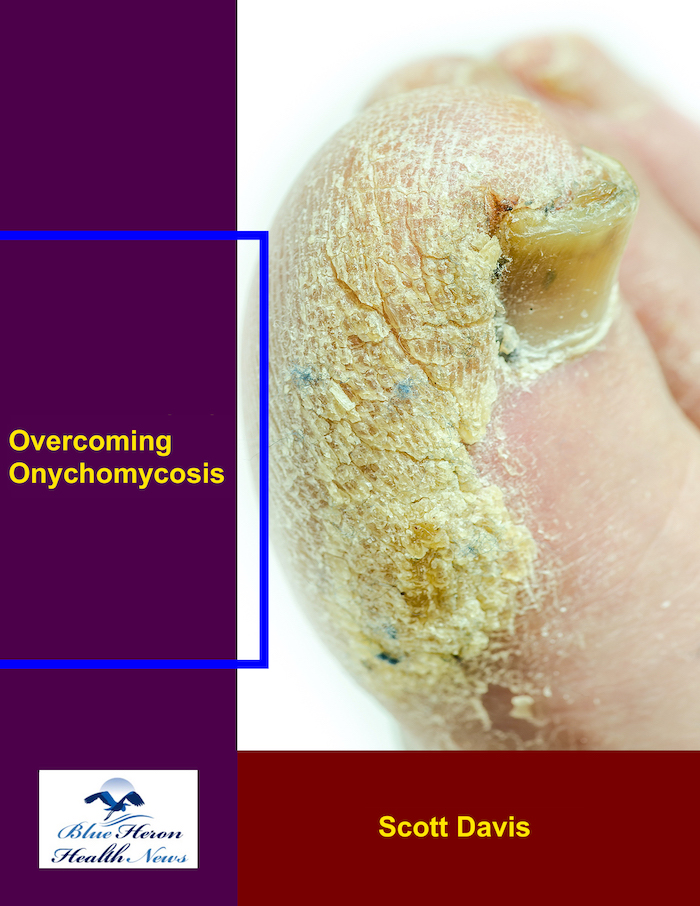
Overcoming Onychomycosis™ By Scott Davis If you want a natural and proven solution for onychomycosis, you should not look beyond Overcoming Onychomycosis. It is easy to follow and safe as well. You will not have to take drugs and chemicals. Yes, you will have to choose healthy foods to treat your nail fungus. You can notice the difference within a few days. Gradually, your nails will look and feel different. Also, you will not experience the same condition again!

I’m Mr.Hotsia, sharing 30 years of travel experiences with readers worldwide. This review is based on my personal journey and what I’ve learned along the way. Learn more |