Overcoming Onychomycosis™ By Scott Davis If you want a natural and proven solution for onychomycosis, you should not look beyond Overcoming Onychomycosis. It is easy to follow and safe as well. You will not have to take drugs and chemicals. Yes, you will have to choose healthy foods to treat your nail fungus. You can notice the difference within a few days. Gradually, your nails will look and feel different. Also, you will not experience the same condition again!
What is the prevalence of insomnia in post-traumatic stress disorder patients, and how does trauma-focused therapy compare with hypnotics?
The prevalence of insomnia in patients with post-traumatic stress disorder (PTSD) is exceptionally high, with studies indicating that 70% to 90% of individuals with PTSD experience significant, chronic sleep disturbances. Trauma-focused therapy is a superior long-term treatment compared to hypnotic medications because it addresses the root psychological cause of the insomnia, while hypnotics only provide temporary, symptomatic relief and can be problematic.
🧠 A Mind on High Alert: The Prevalence of Insomnia in PTSD
Insomnia is not merely a common symptom of post-traumatic stress disorder; it is a core, defining feature of the condition. The link between trauma and sleeplessness is profound and deeply ingrained in the neurobiology of PTSD. The prevalence of clinically significant insomnia in individuals with PTSD is staggering, with a vast body of research consistently showing that between 70% and 90% of patients meet the criteria for an insomnia disorder. This rate is dramatically higher than in the general population, where the prevalence is closer to 10-15%, highlighting just how central sleep disturbance is to the post-traumatic experience.
The insomnia experienced by PTSD patients is not just difficulty falling asleep. It is a multifaceted sleep disorder characterized by:
- Sleep Onset Insomnia: Difficulty initiating sleep due to racing thoughts, anxiety, and a state of hypervigilance.
- Sleep Maintenance Insomnia: Frequent, prolonged awakenings throughout the night, often triggered by nightmares, which are another core symptom of PTSD.
- Non-Restorative Sleep: Waking up feeling exhausted and unrefreshed, regardless of the number of hours slept.
This chronic sleep disruption is driven by the fundamental nature of PTSDa disorder of the body’s threat-response system. A traumatic event can recalibrate the nervous system to be in a constant state of “high alert.” This leads to an overproduction of stress hormones like cortisol and norepinephrine, which are stimulating and directly counteract the body’s natural sleep-promoting processes. For a person with PTSD, the quiet darkness of the bedroom is not a safe haven but a vulnerable space, and their brain remains on guard duty, making restorative sleep nearly impossible.
🩹 Trauma-Focused Therapy vs. Hypnotics: A Tale of Two Treatments
When it comes to treating the severe insomnia associated with PTSD, there are two fundamentally different approaches: trauma-focused psychotherapy, which targets the root cause, and hypnotic medications, which target the symptom.
Trauma-Focused Therapy: Healing the Root Cause This is the gold-standard, first-line treatment for PTSD itself, and by extension, its associated insomnia. Therapies like Cognitive Processing Therapy (CPT) and Prolonged Exposure (PE) work by helping the individual process and re-contextualize the traumatic memory. CPT helps patients identify and challenge the unhelpful and often distorted beliefs they have formed about the trauma (e.g., “It was my fault,” “The world is completely unsafe”). Prolonged Exposure involves carefully and gradually confronting the trauma-related memories, feelings, and situations that the person has been avoiding.
The reason this approach is so effective for insomnia is that it directly reduces the underlying hyperarousal. As the patient processes the trauma, the memory becomes less threatening and emotionally charged. This “turns down the volume” on the brain’s alarm system. As the constant sense of threat diminishes, the overproduction of stress hormones normalizes, allowing the body’s natural sleep drive to take over. By resolving the trauma, these therapies resolve the reason for the insomnia. The improvements in sleep are often profound and, most importantly, durable and long-lasting because the underlying psychological wound has been healed.
Hypnotic Medications: A Temporary Band-Aid Hypnotic medications, often called “Z-drugs” (e.g., zolpidem, eszopiclone), are sedatives that work by enhancing the activity of GABA, the brain’s primary inhibitory neurotransmitter. They essentially force the brain into a state of sedation, inducing sleep. While they can be effective in the short term for helping a person fall asleep, they are a deeply problematic solution for PTSD-related insomnia.
The primary issue is that hypnotics do not treat the PTSD. They do nothing to address the hyperarousal, the nightmares, or the traumatic memories. They are a purely symptomatic treatment, a “Band-Aid” that masks the sleeplessness without healing the cause. The moment the patient stops taking the medication, the insomnia typically returns with full force because the underlying state of hypervigilance remains. Furthermore, these drugs can be problematic as they can interfere with the natural architecture of sleep, sometimes reducing the amount of deep, restorative sleep and REM sleep needed for emotional processing. There is also a significant risk of tolerance, dependence, and potential for misuse, which is a major concern in a vulnerable patient population.
In a direct comparison, trauma-focused therapy is the demonstrably superior approach. It offers a potential cure, not just a temporary fix. While hypnotics might be used cautiously for very short-term, crisis situations, they are not a long-term solution. The most effective path to restoring restful sleep in a person with PTSD is to treat the trauma itself, thereby allowing the mind and body to finally feel safe enough to rest.
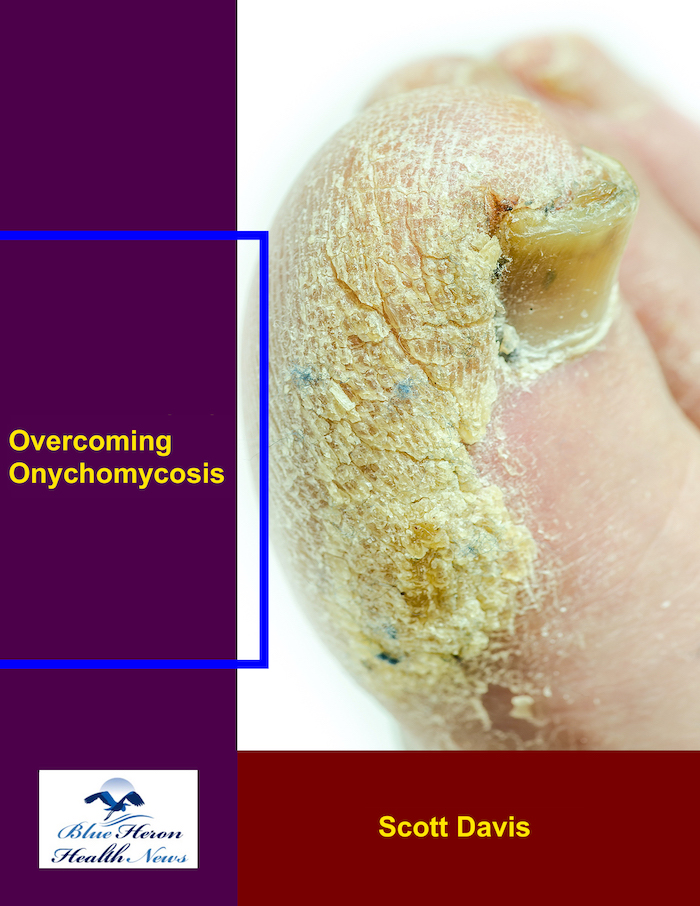
Overcoming Onychomycosis™ By Scott Davis If you want a natural and proven solution for onychomycosis, you should not look beyond Overcoming Onychomycosis. It is easy to follow and safe as well. You will not have to take drugs and chemicals. Yes, you will have to choose healthy foods to treat your nail fungus. You can notice the difference within a few days. Gradually, your nails will look and feel different. Also, you will not experience the same condition again!

I’m Mr.Hotsia, sharing 30 years of travel experiences with readers worldwide. This review is based on my personal journey and what I’ve learned along the way. Learn more |