
Overcoming Onychomycosis™ By Scott Davis If you want a natural and proven solution for onychomycosis, you should not look beyond Overcoming Onychomycosis. It is easy to follow and safe as well. You will not have to take drugs and chemicals. Yes, you will have to choose healthy foods to treat your nail fungus. You can notice the difference within a few days. Gradually, your nails will look and feel different. Also, you will not experience the same condition again!
How does mindfulness-based stress reduction impact sleep in older adults, and how do group programs compare with individual sessions?
🧘 Calming the Restless Mind: The Mechanisms of MBSR for Improved Sleep 🧘
Mindfulness-Based Stress Reduction (MBSR) is a structured, non-pharmacological program that has a profound impact on sleep in older adults by fundamentally altering their relationship with their own thoughts, emotions, and physical sensations. Its effectiveness is not derived from inducing sleep directly like a sedative, but rather from cultivating a state of calm awareness that dismantles the primary obstacles to restful sleep, particularly cognitive and physiological hyperarousal. The mechanisms through which MBSR works are targeted at the very core of what keeps many older adults awake at night: a racing mind and a tense body.
One of the most powerful mechanisms is the reduction of cognitive arousal and rumination. Insomnia, especially in older populations, is often driven by a mind that will not quiet down at night. Worries about health, family, finances, or regrets about the past can create a relentless cycle of anxious, repetitive thinking. MBSR, through its core practices of focused attention meditation and the body scan, trains individuals to become aware of their thoughts without getting entangled in them. It teaches the skill of observing thoughts as transient mental events, like clouds passing in the sky, rather than as urgent truths that must be engaged with. By learning to notice a worrying thought and then gently guide the attention back to the anchor of the breath or bodily sensations, individuals can break the cycle of rumination. This practice directly reduces the pre-sleep cognitive arousal that prevents the natural onset of sleep.
Concurrently, MBSR actively promotes the physiological relaxation response. The practices of mindful breathing and the body scan are designed to shift the autonomic nervous system away from the stress-activated sympathetic state (the “fight or flight” response) and towards the calming parasympathetic state (the “rest and digest” response). This shift has direct physical consequences: it lowers the heart rate, reduces blood pressure, decreases the production of the stress hormone cortisol, and eases muscle tension. This creates a state of deep physical relaxation that is conducive to sleep. Furthermore, MBSR fosters an attitude of acceptance, which can be transformative for those with chronic insomnia. A significant part of the struggle with sleeplessness is the anxiety and frustration about being awake. This “performance anxiety” creates a vicious cycle where trying harder to sleep only makes it more elusive. MBSR helps individuals to be more accepting and less judgmental of their wakefulness, which paradoxically reduces the anxiety and often allows sleep to arise more naturally.
📊 The Evidence for MBSR in Older Adults 📊
The positive impact of MBSR on sleep in older adults is not just anecdotal; it is strongly supported by a growing body of high-quality clinical research, including numerous randomized controlled trials (RCTs) and systematic reviews. These studies have consistently demonstrated that participation in a standard 8-week MBSR program leads to significant and clinically meaningful improvements in sleep quality and a reduction in the severity of insomnia symptoms for this population.
In a typical RCT, researchers will assign older adults with chronic insomnia to either an MBSR group or a control group, which might receive general health education or be placed on a waitlist. Sleep outcomes are measured before and after the intervention using validated, self-report questionnaires such as the Pittsburgh Sleep Quality Index (PSQI), which assesses overall sleep quality, and the Insomnia Severity Index (ISI), which measures the clinical severity of insomnia. The results of these trials are remarkably consistent. They show that the participants who completed the MBSR program experience a statistically significant reduction in their scores on both the PSQI and ISI compared to the control groups. This indicates that the participants themselves perceive their sleep as being of higher quality, with less difficulty falling asleep, fewer nighttime awakenings, and less daytime fatigue.
Some studies have also incorporated more objective measures of sleep, such as actigraphy, where participants wear a wrist-watch-like device that tracks their movement to estimate sleep patterns. This objective data often corroborates the subjective reports, showing improvements in metrics like sleep efficiency (the percentage of time in bed that is spent asleep) and a reduction in wake after sleep onset (WASO), which is the amount of time spent awake during the night after initially falling asleep. Meta-analyses that have pooled the data from many of these individual RCTs have confirmed these findings, concluding that mindfulness-based interventions are an effective treatment for insomnia in older adults, offering a safe and empowering alternative to pharmacological options.
⚖️ A Comparative Analysis: Group Programs vs. Individual Sessions ⚖️
While the core skills of mindfulness can be taught in both group and individual settings, the standard and most widely researched format for MBSR is the group program. The comparison between the two formats reveals that the group setting offers unique therapeutic benefits that are considered integral to the healing process, especially for a condition like insomnia which can be highly isolating.
Group programs, which typically consist of 8-10 participants meeting weekly for about two hours, are the traditional and generally preferred format for delivering MBSR. The primary advantage of the group setting is the cultivation of a sense of universality and normalization. For many older adults struggling with sleeplessness, there is a profound feeling of being alone in their struggle. Being in a group with peers who are facing the same challenges is incredibly validating. Hearing others share their experiences with a racing mind or nighttime anxiety helps to normalize the condition and reduce feelings of shame or isolation. This shared experience fosters a powerful sense of community and social support. The encouragement from peers can significantly boost motivation and adherence to the daily mindfulness practices that are essential for the program’s success. The group also facilitates shared wisdom, as participants learn valuable insights not only from the instructor but also from the diverse experiences and coping strategies of their fellow group members. From a practical standpoint, group programs are also far more cost-effective and accessible, allowing a single trained instructor to help multiple people at once.
Individual sessions offer a one-on-one format where the MBSR curriculum is tailored specifically to the individual. The main advantage of this approach is personalization and privacy. An instructor can focus entirely on the unique needs, challenges, and health conditions of one person, adapting the practices and the pace of the program accordingly. This is an excellent option for individuals who are extremely private, have significant social anxiety that would make a group setting uncomfortable, or have complex medical issues that require more individualized attention. The scheduling is also typically more flexible. However, the individual format comes at the cost of losing all the powerful therapeutic benefits of the group. The sense of community, the normalization of the experience, and the peer support are all absent. Furthermore, individual therapy is significantly more expensive, which can be a major barrier to access.
In conclusion, while both formats can effectively teach the core skills of mindfulness, the group program is generally considered the superior and recommended format for delivering MBSR for sleep in older adults. The psychosocial benefits derived from the group dynamic are not just an incidental feature; they are a core therapeutic component of the intervention. The shared human connection is a powerful antidote to the isolation that often accompanies chronic health conditions. Individual sessions remain a valuable and effective alternative for those who are unable or unwilling to participate in a group, but the richness of the shared experience is a unique and potent aspect of the traditional MB-SR program.
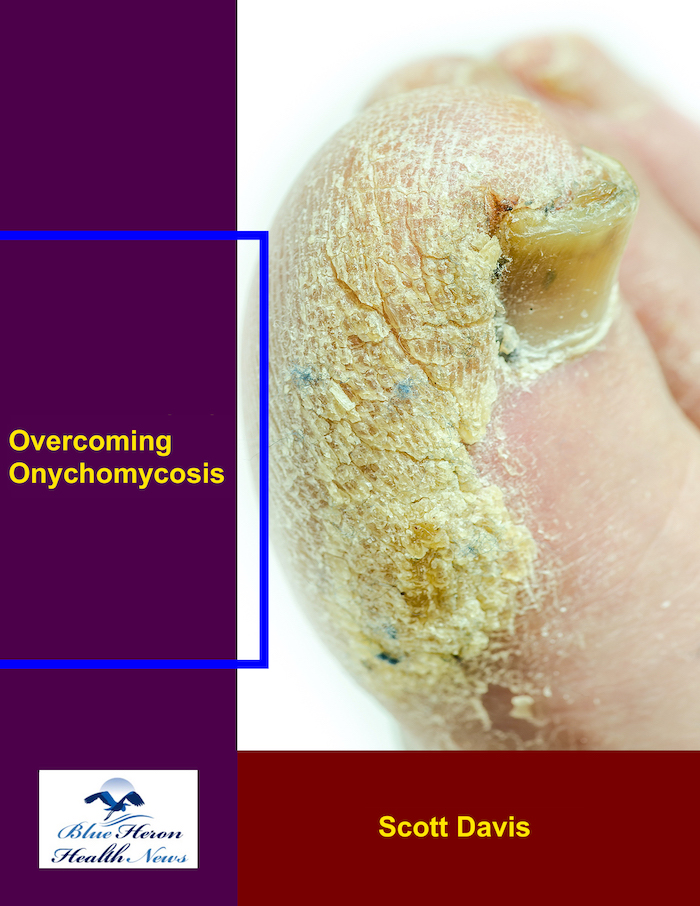
Overcoming Onychomycosis™ By Scott Davis If you want a natural and proven solution for onychomycosis, you should not look beyond Overcoming Onychomycosis. It is easy to follow and safe as well. You will not have to take drugs and chemicals. Yes, you will have to choose healthy foods to treat your nail fungus. You can notice the difference within a few days. Gradually, your nails will look and feel different. Also, you will not experience the same condition again!

I’m Mr.Hotsia, sharing 30 years of travel experiences with readers worldwide. This review is based on my personal journey and what I’ve learned along the way. Learn more |