
Overcoming Onychomycosis™ By Scott Davis If you want a natural and proven solution for onychomycosis, you should not look beyond Overcoming Onychomycosis. It is easy to follow and safe as well. You will not have to take drugs and chemicals. Yes, you will have to choose healthy foods to treat your nail fungus. You can notice the difference within a few days. Gradually, your nails will look and feel different. Also, you will not experience the same condition again!
How does radiation exposure increase hypothyroidism prevalence, supported by Chernobyl and Fukushima data, and how do exposed populations compare with unexposed populations?
☢️The Invisible Aftermath: How Radiation Exposure Fuels Hypothyroidism and a Comparison of Exposed and Unexposed Populations☢️
Radiation exposure, particularly from the release of radioactive isotopes of iodine following a nuclear accident, dramatically increases the prevalence of hypothyroidism by directly targeting and damaging the thyroid gland with devastating precision. The thyroid gland is uniquely vulnerable due to its biological function. It has a highly efficient iodine trap, an active transport mechanism designed to pull iodine from the bloodstream to synthesize the thyroid hormones that regulate the body’s metabolism. This mechanism, however, cannot distinguish between stable, dietary iodine and dangerous radioactive isotopes like Iodine-131, a major byproduct of nuclear fission. In the event of a nuclear release, inhaled or ingested Iodine-131 is rapidly absorbed and becomes highly concentrated within the thyroid tissue. Once inside the gland, it releases high-energy beta particles that travel very short distances, unleashing their destructive power on the surrounding thyroid follicular cells. This intense, localized radiation dose inflicts damage through two primary pathways. Firstly, it can cause direct cell death through apoptosis and necrosis. If a sufficient number of these hormone-producing cells are destroyed, the gland’s overall capacity to produce thyroxine is permanently diminished, leading to a state of overt hypothyroidism. Secondly, the radiation-induced damage can trigger an autoimmune response. The destruction of thyroid cells can release cellular proteins and antigens that were previously sequestered from the immune system. The immune system may then mistakenly identify these self-antigens as foreign, launching a sustained attack on the remaining healthy thyroid tissue. This leads to the development of radiation-induced autoimmune thyroiditis, a condition clinically similar to Hashimoto’s thyroiditis, which further destroys the gland and is a major contributor to the long-term development of hypothyroidism in exposed individuals. The risk is not uniform; it follows a clear dose-response relationship, where a higher estimated radiation dose to the thyroid corresponds to a greater likelihood of developing hypothyroidism.
The devastating long-term thyroid consequences of a large-scale radiological release have been tragically and extensively documented in the populations exposed to the 1986 Chernobyl disaster. The Chernobyl accident released massive quantities of Iodine-131 into the atmosphere, leading to significant internal contamination of populations across Belarus, Ukraine, and northern Europe, particularly in children who consumed contaminated milk. Long-term epidemiological follow-up studies of these cohorts have provided undeniable evidence of a sharp increase in thyroid disorders. While the most dramatic and well-known consequence was a major epidemic of pediatric thyroid cancer, these studies have also shown a significantly increased prevalence of non-cancerous thyroid conditions, including hypothyroidism. Cohorts of individuals who were children or adolescents at the time of the accident, as well as the “liquidators” who worked on the cleanup, have demonstrated a substantially higher incidence of both autoimmune thyroiditis and subclinical and overt hypothyroidism compared to unexposed control groups. The data from Chernobyl clearly illustrates the dose-response relationship, with the highest rates of hypothyroidism found in those who had the highest estimated radiation doses to their thyroids. In stark contrast, the data from the 2011 Fukushima Daiichi nuclear accident in Japan tells a different, more nuanced story that highlights the critical importance of radiation dose and public health interventions. The amount of radioactive material released at Fukushima was significantly less than at Chernobyl, and the Japanese authorities implemented prompt and effective countermeasures, including evacuations and the distribution of stable potassium iodide tablets to block the thyroid’s uptake of radioactive iodine. The extensive Fukushima Health Management Survey, which has screened hundreds of thousands of residents, has not, to date, found a clear and statistically significant increase in the prevalence of hypothyroidism that can be definitively attributed to radiation exposure from the accident. While the screening has led to an increased detection of pre-existing thyroid abnormalities, the rates of new-onset hypothyroidism do not show the same dramatic dose-dependent increase seen after Chernobyl, underscoring that the risk is highly dependent on the magnitude of the exposure.
When comparing populations exposed to high levels of radiation with unexposed populations, the differences in thyroid health are profound. In an unexposed population, the prevalence of hypothyroidism is primarily driven by spontaneous autoimmune disease (Hashimoto’s thyroiditis) and follows a predictable pattern, being far more common in women and with its incidence increasing steadily with age. The overall prevalence in the general population is typically around 4-5%. In a population that has received significant thyroidal radiation doses, as seen in the Chernobyl cohorts, this entire landscape is altered. The most obvious difference is the substantially higher overall prevalence of hypothyroidism. The risk is no longer just age- and sex-dependent but is now strongly driven by the radiation dose received, particularly the dose received in childhood. This leads to an earlier age of onset, with hypothyroidism appearing in individuals decades before it might be expected to develop spontaneously. Furthermore, the spectrum of thyroid disease is broadened. The exposed population not only has more hypothyroidism but also suffers from a vastly increased rate of thyroid nodules and a dramatically elevated risk of thyroid cancer. The underlying cause of the hypothyroidism is also more complex; while the unexposed population’s cases are almost entirely autoimmune, the exposed population’s cases are a mix of direct cell destruction and induced autoimmunity. The most fundamental difference, however, lies in the existence of a clear dose-response curve. In unexposed populations, there is no such relationship. In the aftermath of an event like Chernobyl, a clear, linear relationship can be drawn: the more radiation the thyroid received, the higher the risk of developing hypothyroidism later in life. This provides the ultimate proof of a causal link, separating the health effects seen in these tragic events from the normal background incidence of thyroid disease in the rest of the world.
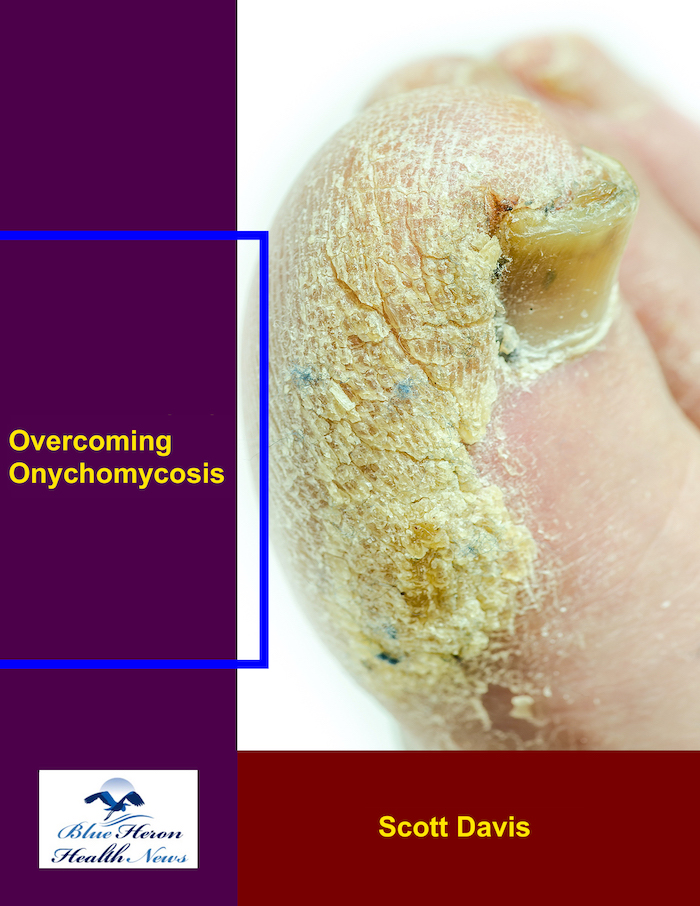
Overcoming Onychomycosis™ By Scott Davis If you want a natural and proven solution for onychomycosis, you should not look beyond Overcoming Onychomycosis. It is easy to follow and safe as well. You will not have to take drugs and chemicals. Yes, you will have to choose healthy foods to treat your nail fungus. You can notice the difference within a few days. Gradually, your nails will look and feel different. Also, you will not experience the same condition again!

I’m Mr.Hotsia, sharing 30 years of travel experiences with readers worldwide. This review is based on my personal journey and what I’ve learned along the way. Learn more |