Overcoming Onychomycosis™ By Scott Davis If you want a natural and proven solution for onychomycosis, you should not look beyond Overcoming Onychomycosis. It is easy to follow and safe as well. You will not have to take drugs and chemicals. Yes, you will have to choose healthy foods to treat your nail fungus. You can notice the difference within a few days. Gradually, your nails will look and feel different. Also, you will not experience the same condition again!
How does screen-time reduction one hour before bedtime affect sleep onset, and how do behavioral programs compare with device filter technologies?
Reducing screen time for one hour before bed significantly improves sleep onset by mitigating the disruptive effects of blue light on melatonin production and reducing cognitive-emotional arousal. This allows the body’s natural sleep-wake cycle to function optimally. While device filter technologies can partially reduce blue light exposure, comprehensive behavioral programs are generally more effective as they address the broader psychological and habitual aspects of pre-sleep screen use, leading to more substantial and sustainable improvements in sleep.
🌙 The Twilight Toll: How Screen Time Hijacks Sleep Onset
In our digitally saturated world, the glow of a screen is often the last thing we see before closing our eyes. This seemingly harmless ritual of scrolling through social media, answering late-night emails, or watching one last episode has a profound and often detrimental impact on our ability to fall asleep. The practice of reducing screen time, specifically for the crucial sixty-minute window before bedtime, has emerged as a powerful intervention to improve sleep onset. This effect is rooted in the complex interplay between light, hormones, and the brain’s state of arousal. The primary culprit is the high-intensity blue light emitted by smartphones, tablets, and computers, which acts as a potent biological signal to the brain, effectively tricking it into thinking it is still daytime. This disruption to our internal clock, or circadian rhythm, delays the natural cascade of physiological events that should be preparing the body for rest.
The master regulator of our sleep-wake cycle is the suprachiasmatic nucleus (SCN) in the hypothalamus, which responds directly to light cues from the environment. Specialized photosensitive cells in the retina contain a photopigment called melanopsin, which is particularly sensitive to blue wavelengths of light. When these cells detect blue light, they send a strong alerting signal to the SCN, which in turn suppresses the production of melatonin by the pineal gland. Melatonin, often called the “hormone of darkness,” is the key that unlocks the door to sleep. Its levels naturally begin to rise in the evening as daylight fades, inducing drowsiness and preparing the body for a night of restorative rest. Exposure to screen light in the hours before bed effectively puts a brake on this process. Studies have shown that even a couple of hours of evening screen time can cause a significant delay in the melatonin surge, pushing back the natural feeling of sleepiness and prolonging the time it takes to fall asleep, a period known as sleep onset latency. By creating a screen-free buffer of one hour before bed, an individual allows their melatonin levels to rise unimpeded, honoring the body’s ancient, light-driven rhythms and facilitating a much smoother transition into sleep.
Beyond the biochemical disruption, pre-sleep screen time also contributes to a state of cognitive and emotional arousal that is antithetical to sleep. The content we consumebe it a stressful news article, an engaging video game, or a stimulating conversation on social mediakeeps the mind alert and activated. This mental stimulation activates the sympathetic nervous system, our “fight or flight” response, leading to an increased heart rate, elevated cortisol levels, and a state of physiological alertness. The brain becomes a buzzing hive of activity at the very moment it should be winding down. Sleep is a state of vulnerability that requires a sense of safety and calm; the constant influx of information and emotional triggers from a screen creates the opposite environment. Eliminating screens for one hour before bed allows for a crucial period of mental decompression. This time can be used for relaxing activities like reading a physical book, listening to calm music, gentle stretching, or meditation, all of which help to shift the nervous system from a state of arousal to a state of rest, quieting the mind and preparing it for sleep.
🧘♀️ The Power of Habit: Behavioral Programs for Digital Detox
Behavioral programs designed to improve sleep offer a holistic and powerful solution to the problem of pre-sleep screen use. These interventions are built on the principles of Cognitive Behavioral Therapy for Insomnia (CBT-I) and focus on restructuring the habits, thoughts, and behaviors that interfere with sleep. They are fundamentally more comprehensive than a simple technological fix because they address the root psychological and habitual dependencies on devices. A core component of these programs is stimulus control, a technique aimed at re-associating the bedroom with sleep and intimacy only. This involves coaching individuals to get out of bed if they are unable to fall asleep and to avoid using screens in the bedroom altogether, thereby breaking the powerful mental link between the bed and stimulating activities.
Another key element is sleep hygiene education, which provides a broader framework for healthy sleep habits. This includes maintaining a consistent sleep-wake schedule, creating a cool, dark, and quiet sleep environment, and, crucially, establishing a relaxing pre-sleep routine. Behavioral programs guide individuals in creating a personalized “wind-down” ritual that replaces screen time. This could involve activities like taking a warm bath, journaling, or practicing mindfulness meditation. By making this routine a consistent habit, the body and mind learn to recognize these activities as cues that sleep is approaching, creating a conditioned relaxation response.
Furthermore, these programs often incorporate cognitive restructuring to challenge and change the unhelpful beliefs and anxieties that people may have about sleep and their need to be constantly connected. For many, fear of missing out (FOMO) or work-related pressures drive late-night device use. A behavioral therapist can help individuals address these anxieties, set healthy boundaries around technology use, and develop coping strategies that do not involve a screen. By empowering individuals with knowledge, new skills, and coping mechanisms, behavioral programs foster a sense of self-efficacy. This approach doesn’t just remove the negative influence of screens; it actively builds a positive, pro-sleep lifestyle, leading to more sustainable and profound improvements in sleep onset and overall sleep quality. The focus is on long-term behavioral change, transforming the individual’s entire relationship with technology in the context of their sleep health.
📱 A Technical Fix: The Role of Device Filter Technologies
In response to growing awareness of the sleep-disrupting effects of blue light, technology companies have developed device filter technologies. These are software-based solutions, such as Apple’s Night Shift, Android’s Night Light, or third-party apps like f.lux, that automatically adjust the color temperature of a device’s display in the evening. They work by reducing the amount of blue light emitted and shifting the screen’s color profile towards warmer, amber hues. The premise is simple: if blue light is the primary culprit in melatonin suppression, then filtering it out should mitigate the harm.
These filters are certainly a step in the right direction and represent a positive form of harm reduction. For individuals who are unable or unwilling to completely give up their devices before bed, using a blue light filter is better than doing nothing at all. Some research has suggested that using these filters can result in less melatonin suppression compared to using a screen at full, unfiltered brightness. They can make the evening screen experience less jarring and may reduce some of the direct biological alerting effects of the light.
However, device filters are an incomplete solution and should not be seen as a cure-all. Firstly, while they reduce blue light, they do not eliminate it entirely, and the remaining light, regardless of color, can still have some suppressive effect on melatonin if it is bright enough. The sheer intensity of the light, even if it’s warmer in tone, can still signal to the brain that it is not yet time to sleep. Secondly, and more importantly, these filters do absolutely nothing to address the cognitive and emotional arousal caused by the content being consumed on the screen. The brain will still be just as stimulated by a suspenseful movie, a heated social media debate, or an anxiety-provoking work email, regardless of whether the screen is tinted orange. The psychological component of pre-sleep screen use is a massive contributor to delayed sleep onset, and filters offer no protection against it. Therefore, while filter technologies are a useful tool and a welcome acknowledgment of the problem by the tech industry, they only address a single facet of a multi-faceted issue. Relying on them alone can create a false sense of security, leading people to believe they can continue their late-night screen habits without consequence, while ignoring the powerful psychological impact of the content itself.
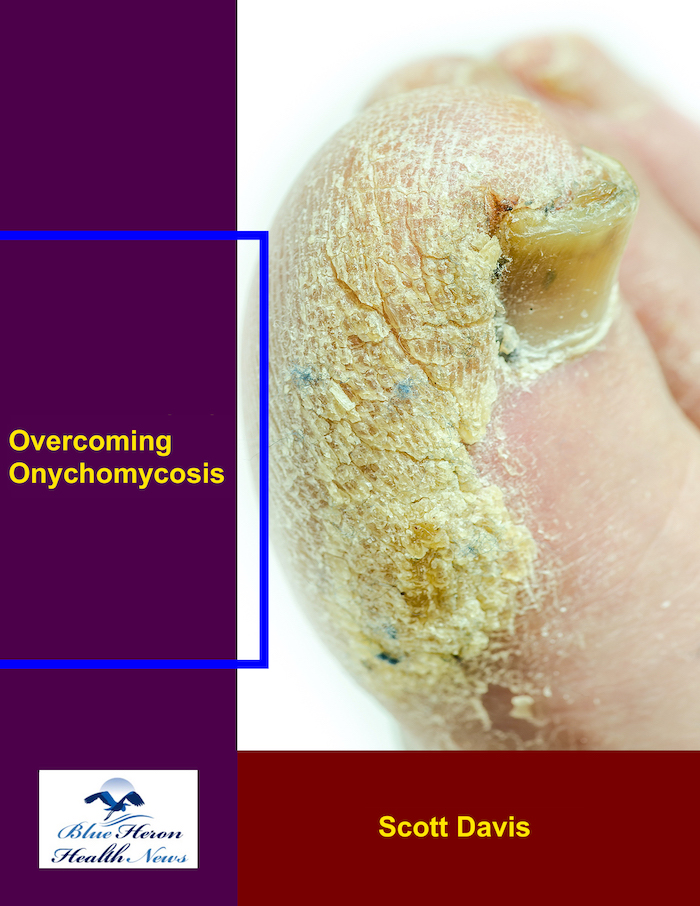
Overcoming Onychomycosis™ By Scott Davis If you want a natural and proven solution for onychomycosis, you should not look beyond Overcoming Onychomycosis. It is easy to follow and safe as well. You will not have to take drugs and chemicals. Yes, you will have to choose healthy foods to treat your nail fungus. You can notice the difference within a few days. Gradually, your nails will look and feel different. Also, you will not experience the same condition again!

I’m Mr.Hotsia, sharing 30 years of travel experiences with readers worldwide. This review is based on my personal journey and what I’ve learned along the way. Learn more |