Overcoming Onychomycosis™ By Scott Davis If you want a natural and proven solution for onychomycosis, you should not look beyond Overcoming Onychomycosis. It is easy to follow and safe as well. You will not have to take drugs and chemicals. Yes, you will have to choose healthy foods to treat your nail fungus. You can notice the difference within a few days. Gradually, your nails will look and feel different. Also, you will not experience the same condition again!
What is the prevalence of insomnia in pregnant women, and how do relaxation programs compare with pharmacological safety-limited interventions?
The prevalence of insomnia in pregnant women is exceptionally high, with research indicating that over 60% of women report significant insomnia symptoms, a figure that climbs to over 75-80% during the third trimester. Relaxation programs, which encompass a range of non-pharmacological techniques like mindfulness, yoga, and cognitive behavioral therapy, are considered the first-line and most highly recommended intervention. They are demonstrably effective at improving sleep quality by addressing the root causes of arousal and anxiety without posing any risk to the mother or developing fetus. In stark contrast, pharmacological interventions are severely limited by safety concerns. Most hypnotic medications, including benzodiazepines and Z-drugs, are contraindicated due to potential risks such as fetal malformations, preterm birth, and neonatal withdrawal syndrome. Even seemingly benign options like antihistamines are used with extreme caution. Therefore, the comparison heavily favors relaxation programs as the safe, effective, and ethically preferred standard of care for managing insomnia during pregnancy.
🤰 The Sleepless Expectation: Insomnia’s High Prevalence in Pregnancy
Sleep disturbances are one of the most common and challenging complaints during pregnancy, transforming a period of joyful anticipation into one of exhausting nights and weary days. The prevalence of insomnia, defined as difficulty initiating or maintaining sleep, or non-restorative sleep, is not just a minor issue; it is a pervasive clinical concern that escalates dramatically as pregnancy progresses. While the general population experiences insomnia at a rate of about 10-20%, pregnant women see these numbers soar. In the first trimester, as the body begins its profound transformation, prevalence rates are already elevated, often reported between 15% and 40%. However, it is during the third trimester that insomnia becomes nearly ubiquitous. Multiple large-scale studies and meta-analyses confirm that a staggering 60% to over 80% of women in their final months of pregnancy meet the clinical criteria for an insomnia disorder. This is not simply poor sleep; it is a chronic condition that can have significant consequences, including an increased risk for postpartum depression, gestational diabetes, longer labor, and a higher likelihood of cesarean delivery.
The root causes of this widespread sleep disruption are multifaceted, arising from a complex interplay of profound physiological, hormonal, and psychological changes. During the first trimester, soaring levels of progesterone can increase daytime sleepiness, yet this same hormone can disrupt the normal architecture of sleep at night. As pregnancy advances into the second and third trimesters, a host of physical discomforts emerge as primary sleep thieves. The growing uterus places pressure on the bladder, leading to frequent nighttime urination (nocturia). It also contributes to musculoskeletal pain, particularly in the lower back and hips, making it difficult to find a comfortable sleeping position. Other common physical culprits include gastroesophageal reflux (heartburn), leg cramps, restless legs syndrome, and the constant, often vigorous, movements of the fetus. Furthermore, physiological changes can lead to an increased risk of sleep-disordered breathing, such as obstructive sleep apnea, which further fragments sleep. Layered on top of this physical turmoil is the significant psychological weight of pregnancy. Anxiety about childbirth, the health of the baby, and the impending life changes of parenthood can create a state of cognitive and emotional hyperarousal that is fundamentally incompatible with the relaxation required for sleep onset and maintenance.
🧘♀️ A Gentle Path to Slumber: The Power of Relaxation Programs
Given the significant risks associated with medication during pregnancy, non-pharmacological interventions are the undisputed first line of defense against insomnia, with relaxation programs standing out as a cornerstone of effective management. These programs are not a single modality but rather a collection of mind-body techniques designed to down-regulate the sympathetic nervous system (the “fight or flight” response) and activate the parasympathetic nervous system (the “rest and digest” response). By teaching expectant mothers how to consciously reduce physical tension and quiet mental chatter, these interventions directly counter the hyperarousal that fuels insomnia.
One of the most evidence-based approaches is Cognitive Behavioral Therapy for Insomnia (CBT-I), adapted for the specific needs of the pregnant population. CBT-I combines several techniques, including stimulus control (re-associating the bed with sleep), sleep restriction (initially limiting time in bed to increase sleep drive), and cognitive restructuring to challenge anxious thoughts and worries about sleep. The relaxation component of CBT-I is crucial and often involves Progressive Muscle Relaxation (PMR), where individuals learn to systematically tense and then release different muscle groups, promoting a deep state of physical placidity. Another powerful technique is mindfulness-based stress reduction (MBSR), which teaches women to focus on the present moment with non-judgmental awareness through meditation and body scan exercises. This practice helps to unhook from the cycle of anxious thoughts that can keep the mind racing at night.
Prenatal yoga and gentle stretching also serve as excellent relaxation tools, combining physical movement with controlled breathing (pranayama) to release bodily tension and calm the nervous system. Similarly, guided imagery and auditory relaxation (such as listening to calming music or nature sounds) provide a mental escape from sources of stress, helping to create an internal environment conducive to sleep. The collective evidence for these programs is robust. Clinical trials have consistently shown that pregnant women who participate in relaxation training or adapted CBT-I experience significant improvements in sleep quality, a reduction in the time it takes to fall asleep, fewer nighttime awakenings, and decreased anxiety compared to those receiving usual care. The profound advantage of these programs is their safety profile; they are entirely risk-free and empower the mother with lifelong skills for managing stress and sleep, which are invaluable both during pregnancy and in the challenging postpartum period.
💊 Navigating the Risks: Pharmacological Safety-Limited Interventions
The conversation surrounding pharmacological interventions for insomnia during pregnancy is dominated by one principle: caution. The primary concern is teratogenicitythe potential for a drug to cause fetal malformationsas well as other adverse perinatal outcomes. Because it is unethical to conduct randomized controlled trials of sleep medications in pregnant women, the safety data we have is often limited to animal studies, case reports, and observational data, much of which is conflicting or inconclusive. Consequently, no prescription hypnotic medication is approved by regulatory bodies like the FDA as completely safe for use during pregnancy.
The most commonly prescribed sleep aids, such as benzodiazepines (e.g., lorazepam, temazepam) and non-benzodiazepine receptor agonists or “Z-drugs” (e.g., zolpidem, eszopiclone), are generally contraindicated. Benzodiazepine use, particularly in the first trimester, has been associated with a small but increased risk of cleft lip and palate. Use later in pregnancy can lead to “floppy infant syndrome,” characterized by lethargy and poor muscle tone, as well as neonatal withdrawal symptoms after birth. While some studies on zolpidem have not shown a strong link to major malformations, others have associated its use with an increased risk of preterm birth, low birth weight, and a higher rate of cesarean delivery.
Over-the-counter options, primarily antihistamines like diphenhydramine and doxylamine, are sometimes considered but are not without their own concerns. While doxylamine (often in combination with pyridoxine) is approved for treating nausea and vomiting in pregnancy and is generally considered to have a better safety profile, its use as a hypnotic is still approached with caution. Diphenhydramine carries potential risks, including increased uterine contractility when used in the third trimester. Newer medications like suvorexant (an orexin receptor antagonist) have insufficient data in human pregnancy to be considered safe. Ultimately, the decision to use any pharmacological agent for sleep is a complex risk-benefit calculation that must be made in close consultation with a knowledgeable physician. Medication is reserved only for the most severe cases of insomnia where the maternal health risks of profound sleep deprivationsuch as exacerbation of a serious mental health condition or severe functional impairmentare deemed to outweigh the potential, and often unknown, risks to the fetus. In every sense, pharmacology is the absolute last resort, a path taken only when the safer, gentler road of relaxation has proven insufficient for a truly debilitating condition.
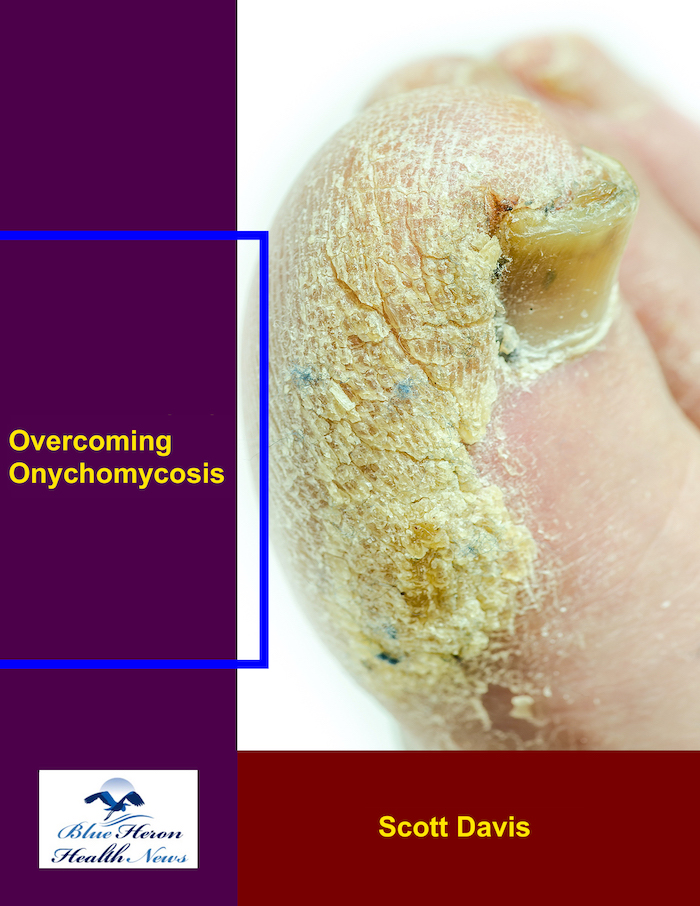
Overcoming Onychomycosis™ By Scott Davis If you want a natural and proven solution for onychomycosis, you should not look beyond Overcoming Onychomycosis. It is easy to follow and safe as well. You will not have to take drugs and chemicals. Yes, you will have to choose healthy foods to treat your nail fungus. You can notice the difference within a few days. Gradually, your nails will look and feel different. Also, you will not experience the same condition again!

I’m Mr.Hotsia, sharing 30 years of travel experiences with readers worldwide. This review is based on my personal journey and what I’ve learned along the way. Learn more |