Overcoming Onychomycosis™ By Scott Davis If you want a natural and proven solution for onychomycosis, you should not look beyond Overcoming Onychomycosis. It is easy to follow and safe as well. You will not have to take drugs and chemicals. Yes, you will have to choose healthy foods to treat your nail fungus. You can notice the difference within a few days. Gradually, your nails will look and feel different. Also, you will not experience the same condition again!
How effective is cognitive behavioral therapy for insomnia (CBT-I) compared with pharmacological therapy, and what do long-term relapse rates show across populations?
Cognitive behavioral therapy for insomnia (CBT-I) is a highly effective, first-line treatment for chronic insomnia, often demonstrating superior long-term outcomes and lower relapse rates compared to pharmacological therapy. While medication can provide faster, short-term symptom relief, CBT-I addresses the underlying psychological and behavioral factors that perpetuate insomnia, leading to more durable and sustainable results.
The Mechanisms and Efficacy of CBT-I
CBT-I is a multi-component treatment that targets the thoughts, feelings, and behaviors that contribute to insomnia. It operates on the principle that insomnia is a learned behavior that can be unlearned. The therapy typically includes several key components:
- Cognitive Component: This involves identifying and challenging unhelpful beliefs about sleep. Patients often have misconceptions about sleep, such as believing they need to sleep a certain number of hours or that a single bad night of sleep will ruin their next day. CBT-I helps them replace these anxieties with more realistic and balanced thoughts.
- Behavioral Component: This is arguably the most crucial part. It includes two core strategies:
- Stimulus Control Therapy: This aims to re-associate the bed and bedroom with sleep. Patients are advised to use the bed only for sleep and sexual activity and to get out of bed if they are unable to fall asleep after about 20 minutes. This breaks the negative association between the bed and sleeplessness, reducing anxiety and frustration.
- Sleep Restriction Therapy: This involves temporarily reducing the time a person spends in bed to match their actual sleep time. While initially counterintuitive, this creates mild sleep deprivation, which increases the homeostatic sleep drive, making it easier to fall asleep and stay asleep. The time in bed is then gradually increased as sleep efficiency improves.
- Sleep Hygiene Education: This provides general advice on behaviors that promote good sleep, such as maintaining a consistent sleep schedule, creating a relaxing bedtime routine, and avoiding stimulants before bed.
The efficacy of CBT-I is well-documented in numerous randomized controlled trials (RCTs). A comprehensive meta-analysis of studies showed that CBT-I is highly effective, with improvements in key sleep metrics such as sleep onset latency (the time it takes to fall asleep), wake after sleep onset (the amount of time spent awake during the night), and total sleep time. The benefits are not just statistical; patients consistently report a significant improvement in their quality of life, mood, and daytime functioning.
Comparison with Pharmacological Therapy
Pharmacological therapy for insomnia, primarily with hypnotic medications (e.g., zolpidem, eszopiclone, zaleplon) or benzodiazepines, works by directly affecting the central nervous system to induce sedation. This approach provides rapid, short-term relief, which can be particularly useful for managing acute, short-lived insomnia. However, its effectiveness and safety profile are markedly different from CBT-I, especially when considering long-term use.
- Speed of Onset: Pharmacological therapy provides faster results. Patients often experience a noticeable improvement in sleep on the very first night of taking a sleep aid. CBT-I, on the other hand, is a process that requires commitment and time; it often takes several weeks to see significant and lasting improvements.
- Mechanism: The fundamental difference is that medication is a passive treatment that masks symptoms, while CBT-I is an active treatment that addresses the root cause of the problem. Medication does not teach the patient how to sleep; it forces the brain into a state of unconsciousness.
- Side Effects and Safety: Pharmacological sleep aids come with a range of potential side effects, including next-day grogginess, dizziness, memory impairment, and a risk of dependency or abuse. There is also a concern about the long-term safety of these drugs, including an increased risk of falls in the elderly and potential for cognitive decline. CBT-I, as a non-pharmacological treatment, has virtually no side effects.
The most significant distinction, however, is the long-term effectiveness and relapse rates.
Long-Term Relapse Rates
The long-term outcomes of CBT-I versus pharmacological therapy show a dramatic difference in relapse rates.
- Pharmacological Therapy: When patients stop taking their sleep medication, their insomnia symptoms often return with a vengeance. This is a phenomenon known as rebound insomnia, and it can be worse than the initial problem. Because the medication has not addressed the underlying issues, the patient’s brain and body are not equipped with the skills to maintain sleep on their own. This high relapse rate often leads to a cycle of dependence on medication, with patients unable to sleep without their pill. This is well-documented in clinical studies and is a major reason why experts do not recommend long-term use of these drugs for chronic insomnia.
- CBT-I: The outcomes for CBT-I are far more durable. Studies have consistently shown that patients who complete a course of CBT-I maintain their treatment gains for months to years after therapy has ended. This is because they have learned a new set of skills and behaviors that they can use for life. They have re-established a healthy relationship with sleep and their bed, and they have the cognitive tools to manage the occasional sleepless night without panic.
For example, a study comparing CBT-I to a benzodiazepine found that after 2 years, patients who had received CBT-I maintained their sleep improvements, while those in the medication group had relapsed to their baseline level of insomnia. This demonstrates that CBT-I is not just a temporary fix but a lasting solution.
Conclusion
In conclusion, while pharmacological therapy can provide faster, short-term relief from insomnia, CBT-I is the superior choice for long-term management. CBT-I’s multi-faceted approach to addressing the root causes of insomnia leads to more durable outcomes and significantly lower relapse rates compared to medication. The skills learned in CBT-I empower patients to manage their sleep for the rest of their lives without the risks of side effects or dependence associated with sleep medications.
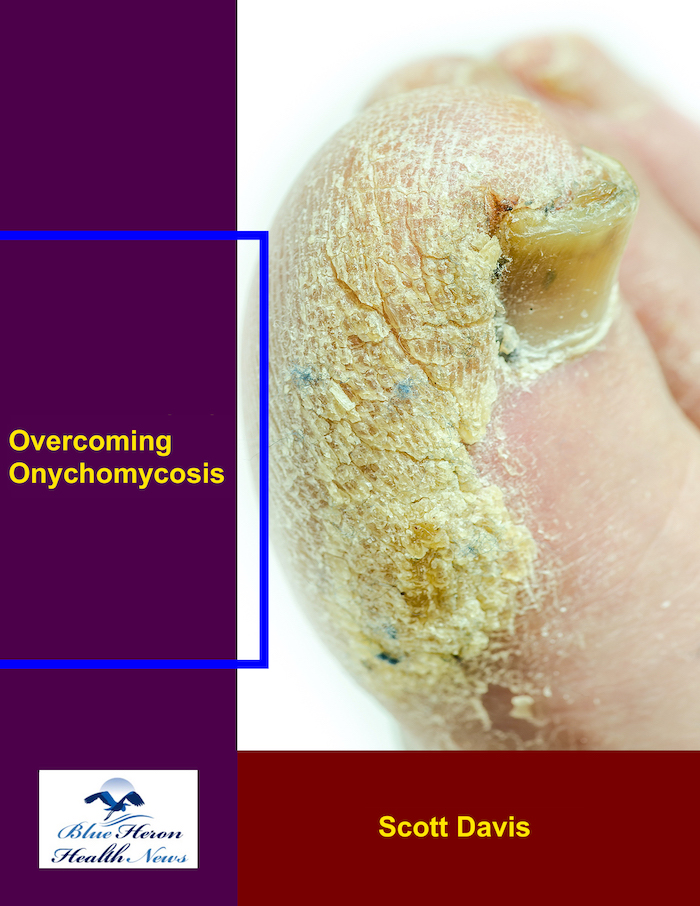
Overcoming Onychomycosis™ By Scott Davis If you want a natural and proven solution for onychomycosis, you should not look beyond Overcoming Onychomycosis. It is easy to follow and safe as well. You will not have to take drugs and chemicals. Yes, you will have to choose healthy foods to treat your nail fungus. You can notice the difference within a few days. Gradually, your nails will look and feel different. Also, you will not experience the same condition again!

I’m Mr.Hotsia, sharing 30 years of travel experiences with readers worldwide. This review is based on my personal journey and what I’ve learned along the way. Learn more |