
The Chronic Kidney Disease Solution™ By Shelly Manning It is an eBook that includes the most popular methods to care and manage kidney diseases by following the information provided in it. This easily readable eBook covers up various important topics like what is chronic kidney disease, how it is caused, how it can be diagnosed, tissue damages caused by chronic inflammation, how your condition is affected by gut biome, choices for powerful lifestyle and chronic kidney disease with natural tools etc.
How do GLP-1 receptor agonists protect kidneys in type 2 diabetes, what renal secondary outcomes show, and how do they compare with SGLT2 inhibitors?
Glucagon-like peptide-1 (GLP-1) receptor agonists offer significant kidney protection in individuals with type 2 diabetes through a multifaceted mechanism that extends beyond simple glucose lowering. They work by reducing inflammation, oxidative stress, and albuminuria, while also promoting weight loss and lowering blood pressure. Major clinical trials have shown that these agents consistently reduce the risk of new or worsening nephropathy, a benefit primarily driven by a significant decrease in the progression to macroalbuminuria. When compared to Sodium-glucose cotransporter-2 (SGLT2) inhibitors, GLP-1 receptor agonists appear to exert their renal benefits mainly through metabolic and anti-inflammatory pathways. In contrast, SGLT2 inhibitors provide powerful kidney protection primarily through direct hemodynamic effects within the kidney, by reducing pressure in the glomeruli. While both classes are highly effective, the current body of evidence suggests SGLT2 inhibitors have a more robust effect on slowing the decline of kidney function (eGFR) and preventing the progression to end-stage kidney disease.
✨ A New Era of Protection: How GLP-1 Receptor Agonists Safeguard the Kidneys in Type 2 Diabetes
For decades, the therapeutic arsenal against diabetic kidney disease (DKD), a leading cause of end-stage renal failure worldwide, was limited, focusing primarily on stringent control of blood glucose and blood pressure. The arrival of new classes of glucose-lowering medications has revolutionized this landscape, transforming the management of type 2 diabetes from a glucose-centric model to a comprehensive, organ-protective strategy. Among these groundbreaking therapies, Glucagon-like peptide-1 (GLP-1) receptor agonists have emerged as a powerhouse, offering profound cardiovascular benefits alongside significant renal protection. Their ability to shield the kidneys from damage stems from a complex interplay of mechanisms that go far beyond their well-known effects on glycemic control, marking a pivotal shift in our ability to preserve kidney function in a high-risk population.
The renoprotective actions of GLP-1 receptor agonists are multifaceted, involving a combination of indirect and direct effects on the kidney. Indirectly, these agents address several key drivers of DKD. Their potent glucose-lowering ability, achieved through stimulating insulin secretion and suppressing glucagon in a glucose-dependent manner, helps mitigate the glucotoxicity that underlies renal damage. Furthermore, GLP-1 receptor agonists are highly effective at promoting weight loss and reducing systolic blood pressure, both of which are independent risk factors for the progression of chronic kidney disease. By ameliorating this cluster of metabolic risk factors, they create a more favorable systemic environment that lessens the overall burden on the kidneys. However, the benefits are not solely attributable to these systemic improvements. A growing body of evidence points to direct, kidney-specific actions. GLP-1 receptors have been identified on various cells within the kidney, including the glomeruli and proximal tubules. Activation of these receptors appears to trigger a cascade of favorable downstream effects. One of the most critical mechanisms is the attenuation of intrarenal inflammation and oxidative stress, two key pathological processes in the development of DKD. These agents have been shown to reduce the production of pro-inflammatory cytokines and markers of oxidative damage within renal tissue, thereby curbing the inflammatory cycle that leads to fibrosis and sclerosis. Additionally, GLP-1 receptor agonists may exert a mild natriuretic effect, promoting sodium excretion, which can contribute to blood pressure reduction and a decrease in intraglomerular pressure, although this hemodynamic effect is considered less pronounced than that of other drug classes.
This mechanistic promise is strongly supported by a wealth of data from large-scale cardiovascular outcome trials (CVOTs). While primarily designed to assess cardiovascular safety and efficacy, these trials consistently included pre-specified secondary analyses of renal outcomes, which have provided compelling evidence of renoprotection. The LEADER (Liraglutide Effect and Action in Diabetes: Evaluation of Cardiovascular Outcome Results) trial was a landmark study that demonstrated that liraglutide, compared to placebo, significantly reduced the risk of the composite renal outcome, which included new-onset persistent macroalbuminuria, persistent doubling of serum creatinine, end-stage kidney disease, or death due to renal disease. The benefit was overwhelmingly driven by a substantial reduction in the development of macroalbuminuria, a key indicator of significant glomerular damage. Similarly, the SUSTAIN-6 (Trial to Evaluate Cardiovascular and Other Long-term Outcomes with Semaglutide in Subjects with Type 2 Diabetes) showed that semaglutide also led to a lower risk of new or worsening nephropathy, again with the primary benefit being a dramatic reduction in the progression to macroalbuminuria. The REWIND (Researching Cardiovascular Events with a Weekly Incretin in Diabetes) trial, which studied dulaglutide in a broader population with and without established cardiovascular disease, reinforced these findings. It showed a significant reduction in a composite renal outcome composed of new macroalbuminuria, a sustained decline in estimated glomerular filtration rate (eGFR) of 30% or more, or chronic renal replacement therapy. The consistency of this albuminuria-lowering effect across multiple trials and molecules has established it as a class effect and a cornerstone of the renal benefit of GLP-1 receptor agonists.
When comparing the renal protective effects of GLP-1 receptor agonists with those of the other modern powerhouse in diabetology, the Sodium-glucose cotransporter-2 (SGLT2) inhibitors, both differences and complementarities emerge. Both classes represent a monumental advance in DKD management, yet they achieve their remarkable results through distinct primary pathways. The hallmark of SGLT2 inhibitors is their profound and direct effect on renal hemodynamics. By blocking glucose reabsorption in the proximal tubule, they increase sodium delivery to the macula densa, which triggers tubuloglomerular feedback. This leads to the constriction of the afferent arteriole, the blood vessel entering the glomerulus, which in turn lowers the intraglomerular pressure and reduces the hyperfiltration that is so damaging to the kidney over the long term. This hemodynamic mechanism is considered the principal driver of the robust renoprotection seen with SGLT2 inhibitors.
In contrast, the renoprotective mechanism of GLP-1 receptor agonists is thought to be less reliant on major hemodynamic shifts and more dependent on their potent anti-inflammatory and metabolic effects, as previously described. This mechanistic distinction is reflected in the clinical trial outcomes. While the GLP-1 receptor agonist trials have consistently shown a powerful effect on reducing albuminuria, the evidence for slowing eGFR decline and preventing progression to end-stage kidney disease has been, until more recently, less robust than that for SGLT2 inhibitors. Dedicated renal outcome trials for SGLT2 inhibitors, such as CREDENCE (Canagliflozin and Renal Events in Diabetes with Established Nephropathy Clinical Evaluation) and DAPA-CKD (Dapagliflozin and Prevention of Adverse Outcomes in Chronic Kidney Disease), have demonstrated an unparalleled ability to significantly reduce the risk of hard renal endpoints, including progression to end-stage kidney disease and renal death, in patients both with and without diabetes. For this reason, SGLT2 inhibitors are often considered the foundational therapy for patients with DKD and albuminuria.
However, this does not diminish the crucial role of GLP-1 receptor agonists. The two classes should be viewed not as competitors but as powerful synergistic partners. Their different mechanisms of action suggest that their combination could offer additive or even synergistic renal protection. The strong effect of GLP-1 receptor agonists on reducing albuminuria, a key risk factor for progression, combined with their potent cardiovascular and weight loss benefits, makes them an essential component of care, particularly in patients with high cardiovascular risk. Clinical guidelines increasingly recommend the use of both agents in eligible patients who require additional glucose lowering or further cardiorenal risk reduction. In conclusion, GLP-1 receptor agonists have carved out an indispensable role in safeguarding the kidneys, offering a unique profile of metabolic, anti-inflammatory, and anti-albuminuric benefits that fundamentally alter the natural history of diabetic kidney disease.
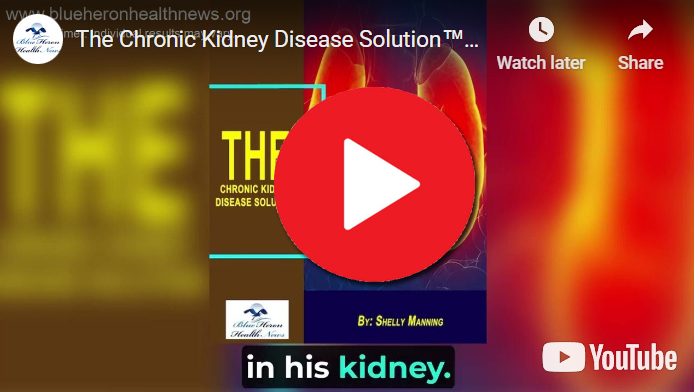
The Chronic Kidney Disease Solution™ By Shelly Manning It is an eBook that includes the most popular methods to care and manage kidney diseases by following the information provided in it. This easily readable eBook covers up various important topics like what is chronic kidney disease, how it is caused, how it can be diagnosed, tissue damages caused by chronic inflammation, how your condition is affected by gut biome, choices for powerful lifestyle and chronic kidney disease with natural tools etc.

I’m Mr.Hotsia, sharing 30 years of travel experiences with readers worldwide. This review is based on my personal journey and what I’ve learned along the way. Learn more |