Overcoming Onychomycosis™ By Scott Davis If you want a natural and proven solution for onychomycosis, you should not look beyond Overcoming Onychomycosis. It is easy to follow and safe as well. You will not have to take drugs and chemicals. Yes, you will have to choose healthy foods to treat your nail fungus. You can notice the difference within a few days. Gradually, your nails will look and feel different. Also, you will not experience the same condition again!
How does light exposure from digital devices affect sleep quality, and how do blue-light filters compare with behavioral restriction strategies?
Light exposure from digital devices, particularly the blue wavelength, significantly harms sleep quality by suppressing the production of the sleep-promoting hormone melatonin and disrupting the body’s internal clock. While blue-light filters can offer a modest reduction in this harmful exposure, behavioral restriction strategies, such as completely avoiding screens for one to two hours before bed, are a far more effective and comprehensive solution for protecting sleep.
📱 The Glow That Steals Your Sleep: Unmasking the Impact of Digital Devices
In our hyper-connected, 24/7 world, the glow of a digital screen is often the last thing we see before closing our eyes at night. This seemingly harmless habit, however, has a profound and detrimental impact on our sleep quality. The light emitted from our smartphones, tablets, and computers, particularly light in the blue wavelength spectrum, acts as a powerful biological signal that disrupts the very foundation of our sleep-wake cycle. This disruption is not a minor inconvenience; it is a direct assault on the brain’s natural sleep-promoting mechanisms. While technological solutions like blue-light filters have emerged as a popular and convenient tool, a comprehensive comparison reveals that they are a partial fix at best. The most powerful and effective strategy for safeguarding our sleep remains the more challenging but ultimately more rewarding behavioral approach: a conscious and disciplined restriction of screen time before bed.
The Science of a Disrupted Night: How Blue Light Deceives the Brain 🧠
The relationship between light and sleep is governed by a master internal clock located in a tiny region of our brain called the suprachiasmatic nucleus (SCN). This internal clock, which regulates our circadian rhythms, is highly sensitive to light, its primary cue for telling time. For millennia, the natural cycle of bright daylight and dark night kept this clock perfectly synchronized. The problem with modern digital devices is that they introduce a powerful source of artificial light into our environment at precisely the wrong time of day.
The key culprit is blue light. Light is composed of a spectrum of different colors, or wavelengths. Blue light has a short wavelength and high energy, and it is a particularly potent signal to our internal clock. Specialized photoreceptors in our retinas are exquisitely sensitive to this blue light. When they detect it, they send a strong “daytime” signal directly to the SCN. This signal, in turn, powerfully suppresses the production of melatonin, the hormone of darkness. Melatonin is the primary facilitator of sleep; its gradual rise in the evening is what makes us feel drowsy and prepares our bodies for rest.
When you stare at a bright screen in the evening, you are essentially telling your brain that it is still the middle of the afternoon. The intense blue light from the device hits your retina, and your brain responds by slamming the brakes on melatonin production. Studies have shown that just a couple of hours of screen time in the evening can significantly delay the melatonin surge, pushing back the natural onset of sleepiness. This not only makes it harder to fall asleep but also reduces the overall quality of the sleep you eventually get. It can lead to less time spent in the deep, restorative stages of sleep and more frequent awakenings during the night. The result is that you may wake up feeling groggy, unrefreshed, and cognitively impaired, even if you were in bed for a full eight hours.
Beyond the hormonal disruption, the engaging and interactive nature of the content on our deviceswhether it’s social media, a fast-paced game, or a stressful work emailalso contributes to a state of psychological and physiological arousal. This cognitive stimulation is the antithesis of the calm, relaxed state required to transition into sleep, further compounding the problem.
A Tale of Two Solutions: Filters vs. Restriction 👓🚫
Faced with this growing public health issue, two main strategies have emerged: the technological fix (blue-light filters) and the behavioral solution (screen restriction).
The Technological Fix: Blue-Light Filters
Blue-light filters are a convenient and popular first line of defense. These come in several forms: software applications and built-in “night mode” settings on devices that shift the screen’s color temperature towards the warmer, red-yellow end of the spectrum; physical screen protectors that filter out blue wavelengths; and specialized blue-light-blocking glasses. The premise is simple: reduce the amount of stimulating blue light reaching the eyes in the evening to allow for more natural melatonin production.
Scientific studies have shown that these filters can, indeed, offer a modest benefit. Research has demonstrated that when people use blue-light filtering technology, the melatonin suppression caused by evening screen use is lessened compared to using a screen at full, unfiltered brightness. Some studies have reported slight improvements in self-reported sleep quality and a small reduction in the time it takes to fall asleep. However, the key word is modest. While these filters can reduce the blue light, they do not eliminate it entirely, and many devices still emit a significant amount of light at other wavelengths that can also have a mild alerting effect on the brain. Furthermore, filters do absolutely nothing to address the second part of the problem: the cognitively arousing nature of the content itself. You can be reading a stressful email on a warm-colored screen, and your brain will still be in a state of high alert, not one of pre-sleep relaxation.
Therefore, blue-light filters should be viewed as a harm reduction tool, not a complete solution. They are better than nothing, but they can also create a false sense of security, leading people to believe they can use their devices late into the night without any negative consequences.
The Behavioral Solution: Screen Restriction
The most effective and scientifically supported strategy for protecting sleep from the harms of digital devices is behavioral restriction, often referred to as practicing good “sleep hygiene” or creating a “digital sunset.” This approach is simple in concept but often challenging in practice: it involves putting away all backlit screensphones, tablets, laptops, and televisionsfor a significant period before bedtime, typically one to two hours.
This strategy is unequivocally superior because it addresses both the physiological and psychological aspects of the problem. By creating a screen-free buffer zone before bed, you are removing the primary source of melatonin-suppressing blue light from your environment, allowing your brain’s natural sleep processes to unfold without interference. This allows melatonin to rise on schedule, promoting natural feelings of drowsiness at an appropriate time.
Just as importantly, a digital sunset eliminates the source of cognitive stimulation. The hour or two before bed can then be filled with calming, relaxing activities that actively prepare the mind and body for sleep, such as reading a physical book (which emits no light of its own), listening to calm music, light stretching, or taking a warm bath. This creates a clear and powerful transition from the activity of the day to the restfulness of the night.
The evidence supporting this behavioral approach is overwhelming. Countless studies have shown that individuals who practice good sleep hygiene and avoid evening screen time report better sleep quality, fall asleep faster, and have better daytime functioning. It is a more powerful intervention because it is a more comprehensive one. It doesn’t just tweak the light; it changes the entire pre-sleep environment from one of stimulation to one of relaxation. While it requires more discipline and conscious effort than simply toggling a software setting, the rewards in the form of deeper, more restorative sleep are substantially greater.
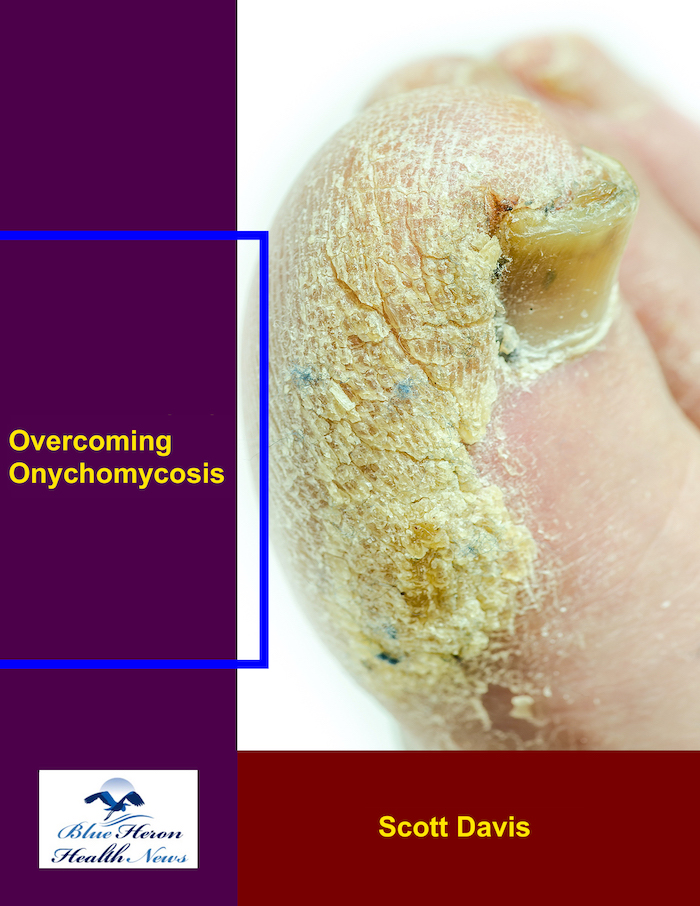
Overcoming Onychomycosis™ By Scott Davis If you want a natural and proven solution for onychomycosis, you should not look beyond Overcoming Onychomycosis. It is easy to follow and safe as well. You will not have to take drugs and chemicals. Yes, you will have to choose healthy foods to treat your nail fungus. You can notice the difference within a few days. Gradually, your nails will look and feel different. Also, you will not experience the same condition again!

I’m Mr.Hotsia, sharing 30 years of travel experiences with readers worldwide. This review is based on my personal journey and what I’ve learned along the way. Learn more |