
Overcoming Onychomycosis™ By Scott Davis If you want a natural and proven solution for onychomycosis, you should not look beyond Overcoming Onychomycosis. It is easy to follow and safe as well. You will not have to take drugs and chemicals. Yes, you will have to choose healthy foods to treat your nail fungus. You can notice the difference within a few days. Gradually, your nails will look and feel different. Also, you will not experience the same condition again!
What is the prevalence of insomnia among adolescents, and how do school start times compare with sleep education programs in improving outcomes?
The prevalence of insomnia among adolescents is alarmingly high, with studies indicating that between 10% and 30% of teenagers meet the clinical criteria for an insomnia disorder, and an even larger percentage experience chronic sleep difficulties. When it comes to improving outcomes, delaying school start times is a more effective structural intervention for increasing total sleep duration, whereas sleep education programs are valuable for improving sleep habits but have a less direct impact on sleep quantity.
😴 The Exhausted Generation: Adolescent Insomnia and the Battle for Better Sleep
In the landscape of modern adolescence, a silent epidemic is unfolding, one that doesn’t involve a virus but is just as detrimental to health, well-being, and academic success: chronic sleep deprivation and insomnia. The prevalence of insomnia among adolescents has reached alarming levels, with a significant portion of teenagers worldwide struggling to get the restorative sleep their developing brains and bodies desperately need. This widespread exhaustion is fueled by a perfect storm of biological changes, academic pressures, and the ever-present glow of digital devices. In response, a critical debate has emerged about the most effective ways to intervene. Two primary strategies have gained prominence: the structural, system-level change of delaying school start times, and the individual, knowledge-based approach of sleep education programs. A thorough comparison reveals that while both strategies are valuable, they address different facets of the problem, with later school start times offering a more direct and powerful solution to the fundamental issue of insufficient sleep.
A Generation Running on Empty: The Soaring Prevalence of Insomnia 📉
The teenage years are a period of immense change, and this includes a profound shift in their internal biological clocks, or circadian rhythms. A phenomenon known as sleep phase delay occurs, where an adolescent’s brain does not begin to release the sleep-promoting hormone melatonin until much later at night, often not until 11 PM or later. This means that a teenager’s natural, biological bedtime is pushed later, making it difficult for them to fall asleep before this time. The problem is that society’s expectations, particularly the early start times of most high schools, do not adjust to this biological reality.
This creates a chronic and debilitating mismatch. An adolescent who cannot fall asleep until 11:30 PM but must wake up at 6:00 AM to get to school on time is physically incapable of getting the recommended eight to ten hours of sleep per night. The result is a generation suffering from chronic sleep debt. When this difficulty falling asleep and the resulting daytime fatigue become a persistent problem, it meets the criteria for a clinical insomnia disorder. Large-scale epidemiological studies from around the world paint a consistent and worrying picture. The prevalence of adolescents meeting the full diagnostic criteria for an insomnia disorder is estimated to be between 10% and 30%. This is a staggering number, far higher than in younger children or adults. Even more teenagers report experiencing one or more symptoms of insomnia, such as difficulty falling asleep, staying asleep, or waking up feeling unrefreshed, on a regular basis. This isn’t just a matter of feeling tired; this level of sleep deprivation is a major public health issue, strongly linked to an increased risk of mental health problems like depression and anxiety, poor academic performance, and an increase in car accidents.
The Structural Solution: The Power of Later School Start Times ⏰
The most powerful and evidence-based intervention to combat adolescent sleep deprivation is a structural one: delaying the start of the school day. This approach directly addresses the conflict between teenage biology and societal schedules. It acknowledges the sleep phase delay as a non-negotiable biological fact and adjusts the environment to accommodate it, rather than asking the teenager to fight their own brain.
The evidence supporting later school start times is overwhelming. Numerous large-scale studies, including those championed by the American Academy of Pediatrics and the Centers for Disease Control and Prevention (CDC), have investigated the impact of shifting the first bell to 8:30 AM or later. The results are remarkably consistent and positive. When schools start later, teenagers get more sleep. It is a direct and powerful correlation. Students do not simply stay up later to compensate; their bedtimes remain relatively stable, and the later wake-up time is almost entirely converted into additional sleep. Studies have shown that a delay in start time of just 30 to 60 minutes can result in an average of 45 minutes of extra sleep per night.
The downstream benefits of this increased sleep are profound. Schools that have made the switch report a significant improvement in academic performance, including better grades and higher standardized test scores. There is a marked reduction in tardiness and absenteeism. Perhaps most critically, there is a substantial improvement in student health and safety. Communities that have delayed school start times have documented a dramatic decrease in the number of car crashes involving teen drivers, a direct result of having more alert and well-rested adolescents on the road. Furthermore, students report lower rates of depressive symptoms and an overall improvement in their mood and well-being. This approach is a passive, public health-level intervention; it benefits every single student in the school, regardless of their individual motivation, effectively raising the entire tide of student wellness.
The Educational Approach: The Role of Sleep Hygiene Programs 📚
The alternative, and often more easily implemented, strategy is the sleep education program. This approach focuses on teaching adolescents about the importance of sleep and providing them with the tools of good “sleep hygiene.” These programs educate students about their changing circadian rhythms, the negative impact of caffeine and evening screen time on sleep, and the importance of creating a consistent and relaxing bedtime routine. The goal is to empower the individual to make better choices to improve their own sleep.
Studies on the effectiveness of sleep education programs show that they are quite successful at increasing knowledge and changing attitudes. After participating in such a program, students can accurately describe why sleep is important and can identify good and bad sleep habits. However, the impact on actual sleep duration is often modest and inconsistent. While some studies show a small increase in total sleep time, many find that knowledge does not always translate into a significant change in behavior.
The primary limitation of this approach is that it places the entire burden of change on the individual teenager and does not address the core structural problem. A student can have perfect sleep hygieneavoiding their phone, not drinking caffeine, and having a relaxing bedtime routinebut if their brain is biologically programmed not to feel sleepy until 11:30 PM and they have to be at school at 7:30 AM, they are still faced with an insurmountable mathematical problem. The education is valuable and can help them optimize the sleep they are able to get, but it cannot create more hours in the night. It is an important complementary piece of the puzzle but is not, on its own, a sufficient solution to the problem of chronic sleep deprivation.
In direct comparison, delaying school start times is a far more potent intervention for increasing the actual amount of sleep adolescents get. It is a systemic change that acknowledges biology and provides the opportunity for adequate rest. Sleep education programs are a vital supporting strategy that teaches adolescents how to best take advantage of that opportunity. The most effective and comprehensive solution, therefore, is a dual approach: a school district that delays its start times to align with adolescent biology, coupled with a robust health curriculum that teaches students the skills they need to make the most of those precious hours of rest.
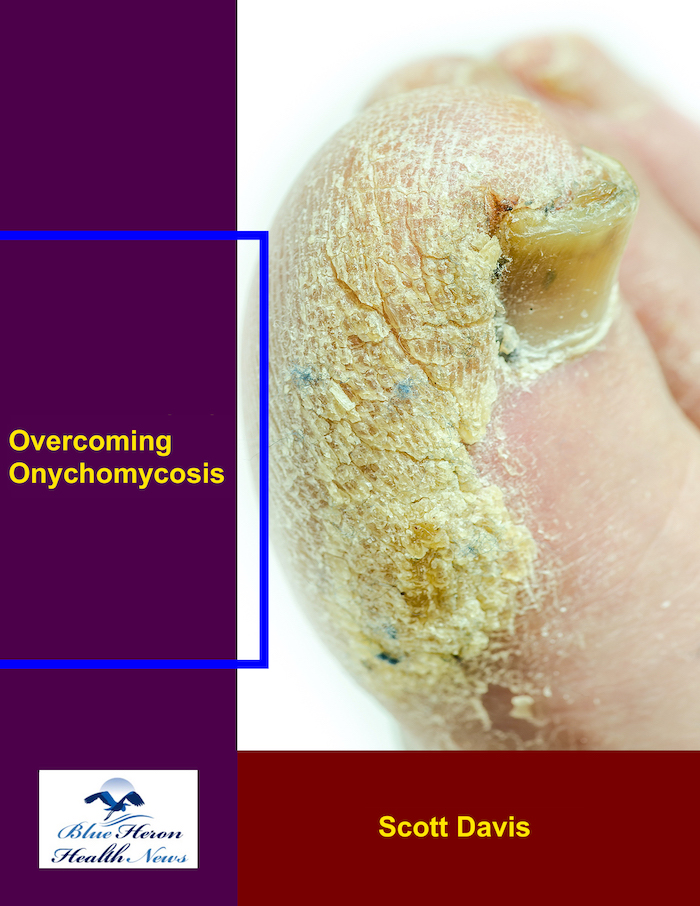
Overcoming Onychomycosis™ By Scott Davis If you want a natural and proven solution for onychomycosis, you should not look beyond Overcoming Onychomycosis. It is easy to follow and safe as well. You will not have to take drugs and chemicals. Yes, you will have to choose healthy foods to treat your nail fungus. You can notice the difference within a few days. Gradually, your nails will look and feel different. Also, you will not experience the same condition again!

I’m Mr.Hotsia, sharing 30 years of travel experiences with readers worldwide. This review is based on my personal journey and what I’ve learned along the way. Learn more |