
Overcoming Onychomycosis™ By Scott Davis If you want a natural and proven solution for onychomycosis, you should not look beyond Overcoming Onychomycosis. It is easy to follow and safe as well. You will not have to take drugs and chemicals. Yes, you will have to choose healthy foods to treat your nail fungus. You can notice the difference within a few days. Gradually, your nails will look and feel different. Also, you will not experience the same condition again!
How does family history influence hypothyroidism risk, supported by genetic studies, and how do twin concordance rates compare with sporadic cases?
Family history is one of the strongest and most well-established risk factors for developing hypothyroidism, particularly the autoimmune form known as Hashimoto’s thyroiditis. The profound influence of genetics is robustly supported by decades of research, including large-scale genetic studies and compelling data from twin studies. When an individual has a close relative with autoimmune thyroid disease, their own risk of developing the condition increases dramatically compared to the general population, or what are known as sporadic cases. The comparison between twin concordance rates and the baseline risk in the general population provides the most powerful evidence for the significant genetic underpinnings of this common endocrine disorder.
🧬 The Genetic Blueprint: How Family History Shapes Hypothyroidism Risk
The familial clustering of hypothyroidism has been observed by clinicians for generations. It is common for an individual diagnosed with Hashimoto’s to report that their mother, sister, or grandmother also had a “thyroid problem.” This anecdotal evidence is overwhelmingly supported by formal genetic and epidemiological studies. Research has consistently shown that first-degree relatives (parents, siblings, children) of individuals with Hashimoto’s thyroiditis have a substantially higher prevalence of the disease themselves. The risk is often cited as being up to 9 times higher than in individuals with no family history of the condition. This elevated risk extends not only to overt hypothyroidism but also to the mere presence of anti-thyroid antibodies (TPOAb and TgAb), indicating a shared genetic susceptibility to thyroid autoimmunity.
Genetic studies have begun to unravel the complex inheritance patterns behind this risk. Hypothyroidism is not a simple Mendelian disorder caused by a single gene mutation; rather, it is a complex polygenic disease. This means that multiple genes, each contributing a small amount to the overall risk, interact with each other and with environmental factors to trigger the disease. Scientists have identified several genes that are strongly associated with Hashimoto’s thyroiditis. The most significant of these are located within the human leukocyte antigen (HLA) complex on chromosome 6. The HLA system is a cornerstone of the immune system, responsible for distinguishing the body’s own proteins from those of foreign invaders. Specific HLA variants, such as HLA-DR3, HLA-DR4, and HLA-DR5, have been consistently linked to an increased risk of developing Hashimoto’s. An individual who inherits these particular HLA types from their parents has an immune system that is genetically primed to be more likely to mistakenly recognize thyroid proteins as foreign, thereby initiating the autoimmune attack.
Beyond the HLA region, genome-wide association studies (GWAS) have identified numerous other non-HLA genes that contribute to risk. These include genes involved in immune regulation and function, such as CTLA-4, PTPN22, CD40, and FCRL3, as well as genes specific to the thyroid gland itself, like the thyroglobulin (TG) and thyroid-stimulating hormone receptor (TSHR) genes. For example, a variant in the CTLA-4 gene can lead to a less effective “off-switch” for T-cells, allowing the immune response to become overactive and attack the body’s own tissues. A person’s total genetic risk is a cumulative sum of these small-effect variants inherited from their family. This polygenic inheritance model explains why the disease runs so strongly in families; relatives share a significant proportion of their genes, including these susceptibility variants, creating a shared, heightened risk profile.
👯♀️ Twin Studies: The Definitive Evidence for Genetic Influence
While family studies are compelling, the most powerful evidence for the genetic basis of a disease comes from twin studies. By comparing concordance ratesthe probability that both twins in a pair will have a diseasebetween monozygotic (MZ) and dizygotic (DZ) twins, researchers can disentangle the relative contributions of genetics and environment. Monozygotic twins are genetically identical, sharing 100% of their genes, while dizygotic twins are like any other siblings, sharing on average 50% of their genes. If a disease is purely genetic, the concordance rate in MZ twins would be 100%. If it is purely environmental, the rates in MZ and DZ twins would be similar.
For autoimmune hypothyroidism, twin studies have provided definitive proof of a major genetic component. The concordance rate for Hashimoto’s thyroiditis in monozygotic (identical) twins is consistently reported to be between 30% and 60%. This means that if one identical twin has the disease, the other twin has a 30-60% chance of also developing it. In stark contrast, the concordance rate for dizygotic (fraternal) twins is much lower, typically ranging from 0% to 5%. This rate is only slightly higher than the prevalence in the general population or in non-twin siblings. The dramatic difference between the MZ and DZ concordance rates is the smoking gun for genetic influence; because both types of twins generally share a very similar environment growing up, the much higher concordance in identical twins can be attributed almost entirely to their shared genetic makeup.
🚶♂️ Comparison with Sporadic Cases: A Stark Contrast
A sporadic case of hypothyroidism is one that occurs in an individual with no known family history of the disease. While environmental triggers (like high iodine intake, certain infections, or stress) may play a role in these cases, it is likely that these individuals still possess a background of genetic susceptibility variants, but perhaps fewer of them or a less potent combination than those with a strong family history.
The risk for an individual in the general population (a sporadic case) of developing autoimmune hypothyroidism in their lifetime is approximately 1-2%. When you compare this baseline risk to the concordance rates in twins, the influence of genetics becomes strikingly clear. The 30-60% risk for an identical twin of an affected individual is orders of magnitude higher than the 1-2% risk for a sporadic case. This massive increase demonstrates that genetics is not just a minor contributor but a primary driver of the disease.
However, the fact that the MZ concordance rate is not 100% is also critically important. If Hashimoto’s were purely genetic, an identical twin of an affected individual would have a 100% chance of getting it. The fact that the rate is 30-60% proves that non-genetic factors are also necessary for the disease to manifest. This indicates that an individual can inherit a full genetic predisposition but may never develop the disease unless they are exposed to specific environmental triggers. This concept of incomplete penetrance is central to understanding autoimmune diseases. Family history, therefore, confers the genetic susceptibility, and twin studies quantify the powerful magnitude of that inherited risk, while the comparison to sporadic cases highlights the crucial role of environmental triggers in converting that latent risk into clinical disease.
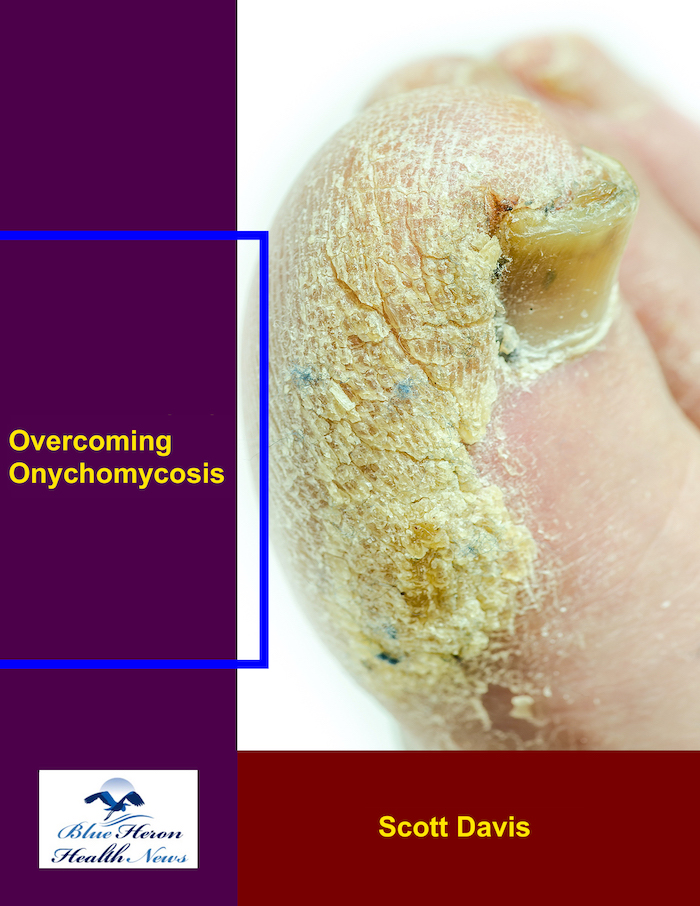
Overcoming Onychomycosis™ By Scott Davis If you want a natural and proven solution for onychomycosis, you should not look beyond Overcoming Onychomycosis. It is easy to follow and safe as well. You will not have to take drugs and chemicals. Yes, you will have to choose healthy foods to treat your nail fungus. You can notice the difference within a few days. Gradually, your nails will look and feel different. Also, you will not experience the same condition again!

I’m Mr.Hotsia, sharing 30 years of travel experiences with readers worldwide. This review is based on my personal journey and what I’ve learned along the way. Learn more |