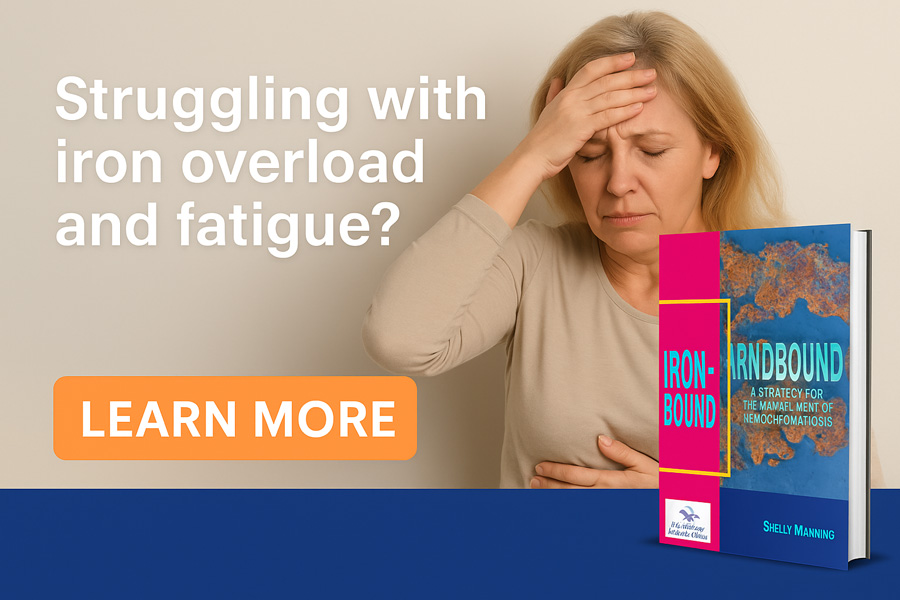
Ironbound™ A Strategy For The Management Of Hemochromatosis By Shelly Manning So, if you are suffering from the problems caused by the health condition of HCT due to excess amount of iron in your body then instead of using harmful chemical-based drugs and medications you are recommended to follow the program offered in Ironbound Shelly Manning, an eBook. In this eBook, she has discussed 5 superfoods and other methods to help you in reducing the level of iron in your body in a natural manner. Many people are benefited from this program after following it consistently.
What preventive measures work best for adolescent girls, what are the rates of anemia among teenage girls in Asia, and how does this affect their academic and physical development compared to boys?
The best preventive measures for anemia in adolescent girls are a combination of dietary diversity, food fortification, and, most critically, weekly iron and folic acid supplementation, a strategy proven to be highly effective and sustainable. The prevalence of anemia among teenage girls in Asia is alarmingly high, with data from South and Southeast Asia showing that more than one in every two girls is affected. This condition disproportionately impacts their academic and physical development compared to boys; while the cognitive and physical impairments caused by anemia are similar in both genders, girls are far more susceptible to developing the condition due to the onset of menstruation, leading to a significant gender-based health disparity that curtails their potential.
🌸 Unlocking Potential: Combating Anemia in Adolescent Girls in Asia 🌸
Anemia, a condition primarily caused by iron deficiency, is one of the most widespread and debilitating public health problems in the world, yet it disproportionately affects a particularly vulnerable group: adolescent girls. For millions of teenage girls across Asia, anemia is an invisible anchor, holding them back from achieving their full academic and physical potential. The convergence of a rapid growth spurt and the onset of menstruation creates a period of immense physiological demand for iron, which is often unmet by their diet. Understanding the most effective preventive measures, the staggering prevalence of this condition in Asia, and how its consequences create a significant gender disparity is crucial to addressing this silent crisis and unlocking the future for a generation of young women.
## 🛡️ The Shield of Prevention: Best Measures for Adolescent Girls
Preventing anemia requires a multi-pronged approach that addresses nutrition and health on both an individual and a population level. The most effective strategies are not mutually exclusive but work in synergy to ensure adolescent girls have the iron they need for their developing bodies and minds. The cornerstone of prevention is weekly iron and folic acid (IFA) supplementation. Recognizing that daily supplementation can lead to side effects and poor adherence, the World Health Organization (WHO) and other global health bodies strongly advocate for a weekly regimen as the most effective public health strategy for prevention. This approach provides a sufficient dose of iron to build and maintain stores and folic acid to support cell growth, while being easier for girls to remember and tolerate. This simple, low-cost intervention has been shown in numerous studies to significantly reduce the prevalence of anemia when implemented as a school-based or community-based program.
This is supported by three other key measures. The first is promoting dietary diversity. This involves educating girls and their families about the importance of consuming iron-rich foods. This includes both heme iron from animal sources (like meat, poultry, and fish), which is easily absorbed, and non-heme iron from plant sources (like lentils, beans, and dark leafy greens). Crucially, this education must also emphasize the role of vitamin C (found in citrus fruits, tomatoes, and peppers), which dramatically enhances the absorption of non-heme iron when consumed in the same meal. The second is food fortification, a population-level strategy where staple foods like wheat flour, rice, or salt are fortified with iron and other micronutrients, ensuring a passive and consistent intake for the entire community. Finally, in regions where parasitic infections like hookworm are endemic, regular deworming is essential. These parasites cause chronic intestinal blood loss, creating a constant drain on a girl’s iron stores that even a good diet cannot overcome. A combined strategy of weekly IFA, a diverse diet, fortified foods, and deworming creates a comprehensive shield against anemia.
## 📊 The Asian Crisis: Staggering Rates of Anemia
Asia, particularly South Asia and parts of Southeast Asia, is the global epicenter of adolescent anemia. The prevalence rates in this part of the world are among the highest documented, constituting a severe public health crisis. Large-scale population surveys, such as the National Family Health Surveys in India and data from UNICEF and the WHO, consistently reveal a sobering reality: in many of these regions, more than one in every two adolescent girls aged 15-19 suffers from some degree of anemia. In countries like India, Bangladesh, and Pakistan, prevalence rates frequently exceed 50-60%. This means that for a majority of teenage girls, a state of chronic fatigue, impaired concentration, and reduced physical capacity is their everyday reality. These staggering figures are the result of a perfect storm of factors: diets that are often low in bioavailable iron, high rates of parasitic infections, and the unique physiological vulnerability of this demographic.
## ⚖️ A Disproportionate Burden: The Impact on Girls vs. Boys
While both adolescent boys and girls are susceptible to anemia due to the increased iron demands of their pubertal growth spurt, the condition’s prevalence and its ultimate impact on development are significantly skewed, creating a profound health disparity that disadvantages girls. The effects of anemia on the brain and body are universal. Iron is a critical component of hemoglobin, the protein in red blood cells that carries oxygen. When iron is deficient, the body’s oxygen-carrying capacity is reduced, affecting every organ system, but particularly the energy-hungry brain and muscles.
For both boys and girls, this leads to severe impairments in academic development. Iron is essential for the healthy development of neurotransmitters and for myelination, the process that allows for efficient communication between brain cells. Anemia in adolescence is directly linked to poor concentration, shortened attention spans, memory deficits, and overall cognitive slowing. This “brain fog” makes it incredibly difficult to learn and perform well in school. Anemic adolescents are more likely to have poor school attendance due to fatigue and illness and to achieve lower test scores, which can limit their future educational and economic opportunities.
Similarly, physical development is stunted in both sexes. Anemia leads to reduced physical work capacity and endurance. It causes fatigue, weakness, and shortness of breath upon exertion, making it difficult to participate in sports, perform physical chores, or simply have the energy for daily life. This can impair overall physical growth and development during a critical life stage.
The crucial difference, however, lies in the vulnerability to developing anemia in the first place. Adolescent girls face a “triple threat” that boys do not. First, like boys, they undergo a rapid growth spurt. Second, and most importantly, they begin to menstruate. The onset of menstruation marks the beginning of regular, chronic blood loss, and therefore, iron loss, every single month. This constant physiological demand for iron replacement is a burden that boys do not share. Third, in many traditional communities in Asia, sociocultural norms can sometimes result in girls having less access to nutrient-dense foods compared to their male siblings. This combination of high demand from growth, constant loss from menstruation, and often inadequate dietary supply makes adolescent girls uniquely and biologically predisposed to iron deficiency.
Therefore, while a boy with anemia will suffer the same academic and physical consequences as a girl with anemia, the reality is that a far greater number of girls are living with the condition. The overall burden of this diseasethe millions of lost school days, the unrealized academic potential, and the compromised physical well-beingfalls disproportionately on the shoulders of adolescent girls. This makes the prevention of anemia not just a health issue, but a critical issue of gender equity and development, essential for empowering a generation of young women to thrive.
Ironbound™ A Strategy For The Management Of Hemochromatosis By Shelly Manning So, if you are suffering from the problems caused by the health condition of HCT due to excess amount of iron in your body then instead of using harmful chemical-based drugs and medications you are recommended to follow the program offered in Ironbound Shelly Manning, an eBook. In this eBook, she has discussed 5 superfoods and other methods to help you in reducing the level of iron in your body in a natural manner. Many people are benefited from this program after following it consistently

I’m Mr.Hotsia, sharing 30 years of travel experiences with readers worldwide. This review is based on my personal journey and what I’ve learned along the way. Learn more |