
Overcoming Onychomycosis™ By Scott Davis If you want a natural and proven solution for onychomycosis, you should not look beyond Overcoming Onychomycosis. It is easy to follow and safe as well. You will not have to take drugs and chemicals. Yes, you will have to choose healthy foods to treat your nail fungus. You can notice the difference within a few days. Gradually, your nails will look and feel different. Also, you will not experience the same condition again!
How does congenital hypothyroidism prevalence vary by continent, supported by newborn screening data, and how do Asia and Europe compare?
The prevalence of congenital hypothyroidism (CH) varies significantly by continent, with newborn screening data revealing that Asia generally has a higher prevalence compared to Europe. This difference is attributed to a combination of genetic factors, varying levels of iodine sufficiency, and differences in screening program methodologies across the continents.
🌎 A Global Snapshot: Continental Variations in CH
Congenital hypothyroidism, a condition where a newborn has an underactive thyroid gland, is one of the most common preventable causes of intellectual disability worldwide. The advent of universal newborn screening programs, which test for high levels of Thyroid-Stimulating Hormone (TSH) in a baby’s blood, has provided a wealth of data, allowing for a clear picture of how its prevalence varies across the globe.
The global average prevalence of CH is estimated to be around 1 in 3,000 to 1 in 4,000 newborns. However, this average masks significant geographical and ethnic variations. Some of the highest rates in the world are found in specific regions and ethnic groups, while others report much lower numbers.
Generally, the data show a pattern where:
- Asia tends to have a higher prevalence.
- Europe and North America have a moderate and relatively stable prevalence.
- Africa has historically reported lower rates, though this is widely believed to be due to a lack of comprehensive, universal screening programs rather than a true lower incidence of the disease.
These continental differences are not random; they are influenced by a complex interplay of factors including the genetic background of the population, the historical and current status of dietary iodine intake, and the specific protocols and TSH cutoff levels used by different national screening programs.
📊 The Asian and European Pictures: A Tale of Two Continents
The comparison between Asia and Europe, two continents with extensive and long-running newborn screening programs, provides a clear illustration of this global variation.
Asia: A Region of Higher Prevalence Newborn screening data from numerous Asian countries consistently report a higher prevalence of congenital hypothyroidism compared to the global average. The rates often fall in the range of 1 in 1,500 to 1 in 2,500 newborns. Some regions and specific ethnic groups within Asia report even higher numbers. For example, studies from Japan, China, and particularly South Asia (India, Pakistan) have contributed to this higher overall figure.
Several factors are thought to contribute to this increased prevalence in Asia. Genetic predisposition is believed to play a significant role. Certain genetic markers and ethnicities common in Asia may confer a higher susceptibility to thyroid dysgenesis (abnormal development of the thyroid gland), which is the most common cause of CH. Furthermore, while many Asian countries have implemented salt iodization programs, regions of iodine deficiency still exist, particularly in landlocked or mountainous areas. Iodine deficiency in a pregnant mother can cause transient or permanent hypothyroidism in her newborn. The sheer size and diversity of the Asian continent also mean there is a wide variation in healthcare infrastructure and screening protocols, which can influence the reported numbers.
Europe: A Region of Moderate and Stable Prevalence In contrast, Europe generally reports a lower and more stable prevalence of CH. Data from long-established, highly organized national screening programs across Western and Northern Europe typically show rates that align closely with the global average, around 1 in 3,000 to 1 in 4,000 newborns.
The lower rates in Europe are often attributed to several factors. European populations may have a different genetic background with a lower baseline risk for thyroid abnormalities. More significantly, Europe has a long history of effective public health programs to ensure iodine sufficiency. Universal salt iodization was implemented decades ago in most countries, largely eliminating iodine deficiency as a major cause of CH. Furthermore, European newborn screening programs are often highly centralized and standardized, with consistent methodologies and TSH cutoff values. This leads to more uniform and reliable data across the continent. While there are still some regional variations within Europe, the overall picture is one of a moderate, stable, and well-controlled prevalence, reflecting the success of long-term public health interventions and organized healthcare systems.
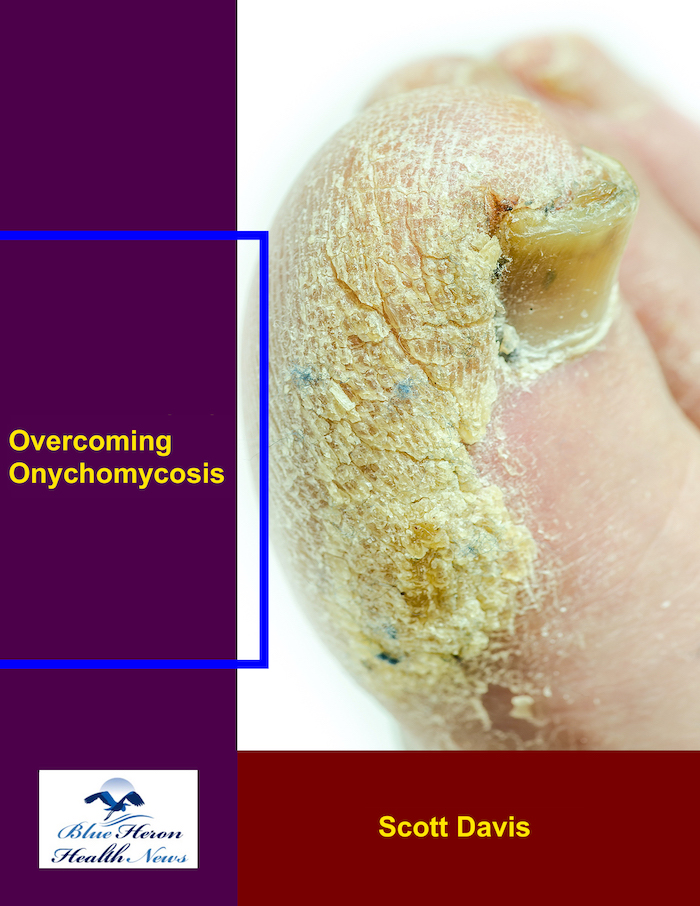
Overcoming Onychomycosis™ By Scott Davis If you want a natural and proven solution for onychomycosis, you should not look beyond Overcoming Onychomycosis. It is easy to follow and safe as well. You will not have to take drugs and chemicals. Yes, you will have to choose healthy foods to treat your nail fungus. You can notice the difference within a few days. Gradually, your nails will look and feel different. Also, you will not experience the same condition again!

I’m Mr.Hotsia, sharing 30 years of travel experiences with readers worldwide. This review is based on my personal journey and what I’ve learned along the way. Learn more |