
Overcoming Onychomycosis™ By Scott Davis If you want a natural and proven solution for onychomycosis, you should not look beyond Overcoming Onychomycosis. It is easy to follow and safe as well. You will not have to take drugs and chemicals. Yes, you will have to choose healthy foods to treat your nail fungus. You can notice the difference within a few days. Gradually, your nails will look and feel different. Also, you will not experience the same condition again!
How does hypothyroidism prevalence vary in Arctic populations, supported by Inuit health data, and how do traditional diets compare with modern diets?
❄️An Endocrine Story from the Ice: Hypothyroidism in Arctic Populations and the Battle Between Traditional and Modern Diets❄️
The prevalence of hypothyroidism in Arctic populations, particularly among the Inuit, presents a complex and evolving story that is inextricably linked to the profound nutritional shifts from a traditional to a modern, Westernized diet. Historically, the Inuit and other circumpolar peoples have thrived in one of the planet’s harshest environments, a feat made possible in part by a unique diet that was exceptionally well-suited to supporting robust thyroid function. The thyroid gland, which regulates the body’s metabolism and heat production, is under significant demand in the extreme cold of the Arctic. Given this, one might expect to find a high prevalence of hypothyroidism, but for centuries, the opposite was likely true. While comprehensive historical data is unavailable, modern Inuit health data from surveys in Greenland, Canada, and Alaska reveals a varied picture that strongly suggests a rising prevalence of thyroid disorders, including hypothyroidism, that coincides with the move away from traditional lifestyles. Some studies have indicated that the rates of subclinical and overt hypothyroidism in certain Inuit communities now meet or even exceed those seen in Western populations. This variation is not random but is heavily influenced by the degree of dietary and lifestyle transition, highlighting a critical interplay between genetics, environment, and, most importantly, nutrition. Beyond diet, other factors in the Arctic environment, such as exposure to endocrine-disrupting contaminants like PCBs and heavy metals that biomagnify in the marine food chain, may also play a role in thyroid dysfunction, adding another layer of complexity to the health challenges faced by these communities.
The traditional Inuit diet, consumed for millennia, stands in stark contrast to modern dietary patterns and can be considered a masterclass in providing the specific nutrients required for optimal thyroid health. This diet was almost exclusively based on animals from the land and, most critically, the sea: seal, walrus, whale, caribou, and a variety of fish and seabirds. This marine-centric way of eating created a nutritional profile that was uniquely protective of the thyroid gland. The most important component was its extraordinarily high content of iodine. Iodine is the essential, irreplaceable building block of the two primary thyroid hormones, thyroxine (T4) and triiodothyronine (T3). The seaweed consumed by marine animals and the seafood itself provided a rich and consistent source of iodine, making iodine deficiencythe most common cause of hypothyroidism globallyvirtually nonexistent. Equally important was the abundance of the mineral selenium, also concentrated in seafood. Selenium is a critical cofactor for the deiodinase enzymes, the molecular machinery responsible for converting the relatively inactive T4 hormone into the highly active T3 hormone in the body’s peripheral tissues. Without adequate selenium, this conversion is impaired, leading to a functional hypothyroidism even if T4 levels are normal. Furthermore, the traditional diet was exceptionally rich in omega-3 fatty acids, particularly EPA and DHA. These fats are renowned for their potent anti-inflammatory properties. This is highly relevant because the most common cause of hypothyroidism in iodine-sufficient regions is Hashimoto’s thyroiditis, an autoimmune disease characterized by chronic inflammation of the thyroid gland. The powerful anti-inflammatory effect of the traditional diet likely provided a strong defense against the development of such autoimmune conditions.
The comparison between the thyroid-supportive traditional diet and the modern, store-bought diet now common in many Arctic communities is a study in nutritional contrasts, and it provides a compelling explanation for the rising prevalence of thyroid disorders. The modern diet, composed largely of imported, processed, and packaged foods, is a radical departure from the nutrient-dense diet of the past. It is typically high in refined carbohydrates, sugar-sweetened beverages, and unhealthy fats, while being significantly lower in the key micronutrients essential for thyroid function. The intake of iodine and selenium plummets when nutrient-rich sea mammals and fish are replaced with processed meats and refined grains. This shift introduces the risk of nutrient deficiencies that were previously unheard of, leaving the thyroid without its essential building blocks and cofactors. Beyond nutrient deficiencies, the modern diet introduces new metabolic insults. Its high sugar and refined carbohydrate content promotes weight gain, obesity, and insulin resistance. Insulin resistance is now recognized as a significant stressor that is associated with an increased risk of autoimmune thyroid disease and can impair overall thyroid function. The modern diet is also pro-inflammatory, rich in omega-6 fatty acids and lacking the anti-inflammatory omega-3s of the traditional diet, which can further fuel the autoimmune processes that underlie Hashimoto’s thyroiditis. In essence, the dietary transition represents a complete reversal of the nutritional environment. The traditional diet was a low-carbohydrate, high-protein, high-healthy-fat diet that provided a superabundance of the specific minerals and fatty acids needed to support a high-functioning thyroid in a demanding environment. The modern diet is a high-carbohydrate, pro-inflammatory diet that is relatively poor in these crucial micronutrients and actively promotes the metabolic dysfunction that is known to harm the thyroid. This stark dietary shift is almost certainly a primary driver of the increased prevalence of hypothyroidism now being documented by Inuit health studies, serving as a powerful, real-world example of how profoundly nutrition can influence endocrine health.
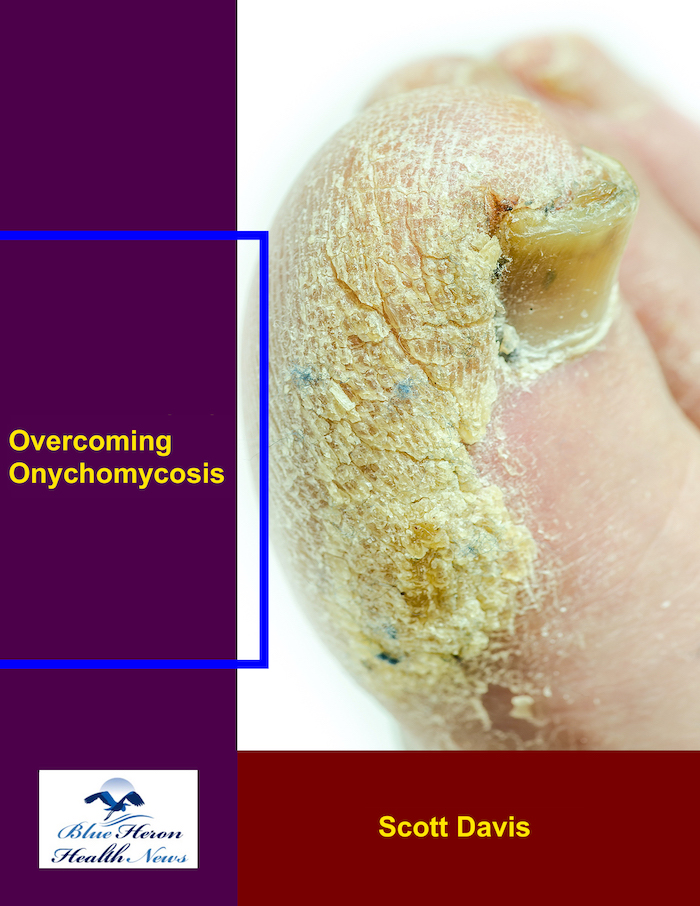
Overcoming Onychomycosis™ By Scott Davis If you want a natural and proven solution for onychomycosis, you should not look beyond Overcoming Onychomycosis. It is easy to follow and safe as well. You will not have to take drugs and chemicals. Yes, you will have to choose healthy foods to treat your nail fungus. You can notice the difference within a few days. Gradually, your nails will look and feel different. Also, you will not experience the same condition again!

I’m Mr.Hotsia, sharing 30 years of travel experiences with readers worldwide. This review is based on my personal journey and what I’ve learned along the way. Learn more |