
Overcoming Onychomycosis™ By Scott Davis If you want a natural and proven solution for onychomycosis, you should not look beyond Overcoming Onychomycosis. It is easy to follow and safe as well. You will not have to take drugs and chemicals. Yes, you will have to choose healthy foods to treat your nail fungus. You can notice the difference within a few days. Gradually, your nails will look and feel different. Also, you will not experience the same condition again!
What is the prevalence of hypothyroidism in Oceania, supported by Australian and Pacific Island health surveys, and how do indigenous groups compare with European-descended populations?
🌏A Tale of Two Tides: Hypothyroidism Prevalence in Oceania and the Stark Disparities Between Indigenous and European Populations🌏
The prevalence of hypothyroidism across the vast and diverse region of Oceania presents a complex tapestry of health outcomes, shaped by factors ranging from national public health policies to the deep-rooted legacies of colonization and social disparity. The story of thyroid health in this region is best understood not as a single narrative, but as two distinct pictures: one from the generally iodine-sufficient, high-income nations of Australia and New Zealand, and another from the more varied and often resource-challenged Pacific Island nations. In Australia, a country where the primary cause of hypothyroidism is the autoimmune condition Hashimoto’s thyroiditis, large-scale national health surveys provide robust data. These surveys indicate that the prevalence of diagnosed hypothyroidism in the general Australian population is significant, affecting approximately 6-10% of women and 1-2% of men, with the risk increasing steeply with age. The successful implementation of a mandatory iodine fortification program for bread has virtually eliminated iodine deficiency as a cause, placing the focus squarely on autoimmune and age-related factors. The situation across the Pacific Islands is more heterogeneous and the data more sparse. While some nations have successful iodine supplementation programs, many communities, particularly in remote or mountainous areas, remain at high risk for iodine deficiency, a condition which can lead to goiter and hypothyroidism. Therefore, the underlying causes of thyroid dysfunction in the Pacific Islands can be a mix of both autoimmune disease and nutritional deficiency, creating a different public health challenge compared to Australia and New Zealand.
The most striking and concerning aspect of thyroid health in Oceania is the profound disparity in the prevalence of hypothyroidism between Indigenous populations and those of European descent. This is a consistent finding in both Australia and New Zealand. Extensive health data and targeted studies have unequivocally shown that Indigenous AustraliansAboriginal and Torres Strait Islander peoplesexperience a significantly higher burden of thyroid disease. The prevalence of both overt and subclinical hypothyroidism is considerably greater in Indigenous communities compared to non-Indigenous Australians. This is not an isolated phenomenon. A similar pattern is observed in New Zealand, where Māori, the Indigenous people of Aotearoa, also exhibit higher rates of hypothyroidism than New Zealanders of European descent (Pākehā). This disparity is not a reflection of a simple genetic predisposition but is the result of a complex and tragic interplay of factors rooted in historical and ongoing social and economic disadvantage. Indigenous populations in both countries experience a disproportionately higher burden of chronic diseases that are known to be associated with thyroid dysfunction, most notably type 2 diabetes and other autoimmune conditions. The chronic stress associated with systemic disadvantage, discrimination, and intergenerational trauma can also have a profound impact on the immune and endocrine systems, potentially increasing susceptibility to autoimmune thyroid disease. Furthermore, barriers to accessing culturally safe and timely healthcare can lead to delays in diagnosis and management, allowing subclinical disease to progress to overt hypothyroidism.
The comparison between Indigenous groups and European-descended populations reveals that the higher prevalence of hypothyroidism is a powerful indicator of broader health inequities. For European-descended populations in Australia and New Zealand, the risk of hypothyroidism is largely driven by individual factors like family history of autoimmune disease and advancing age. For Indigenous peoples, these individual risks are profoundly amplified by a constellation of external, systemic factors. The higher rates of autoimmune thyroid disease (Hashimoto’s) in Aboriginal, Torres Strait Islander, and Māori communities are thought to be linked to a complex interaction between genetic susceptibility and environmental triggers, which are more prevalent in the context of socioeconomic deprivation. The extremely high rates of type 2 diabetes and metabolic syndrome in these communities also play a crucial role. There is a well-established bidirectional relationship between insulin resistance and thyroid dysfunction, and it is likely that the epidemic of metabolic disease in Indigenous populations is a major contributor to their high rates of hypothyroidism. The food environment in many remote Indigenous communities, often characterized by a lack of affordable, fresh, nutrient-rich foods and a high availability of processed, pro-inflammatory foods, further contributes to both metabolic and autoimmune dysregulation. In essence, while a person of European descent may develop hypothyroidism primarily due to an isolated autoimmune process, an Indigenous person’s risk is magnified by a lifetime of exposure to systemic disadvantages that create a state of chronic physiological stress and metabolic ill-health. Therefore, addressing the disparity in thyroid disease requires a much broader approach than simply improving medical treatment; it necessitates a commitment to addressing the fundamental social determinants of healthpoverty, education, housing, and systemic racismto create an environment where Indigenous peoples have an equitable opportunity to achieve good health.
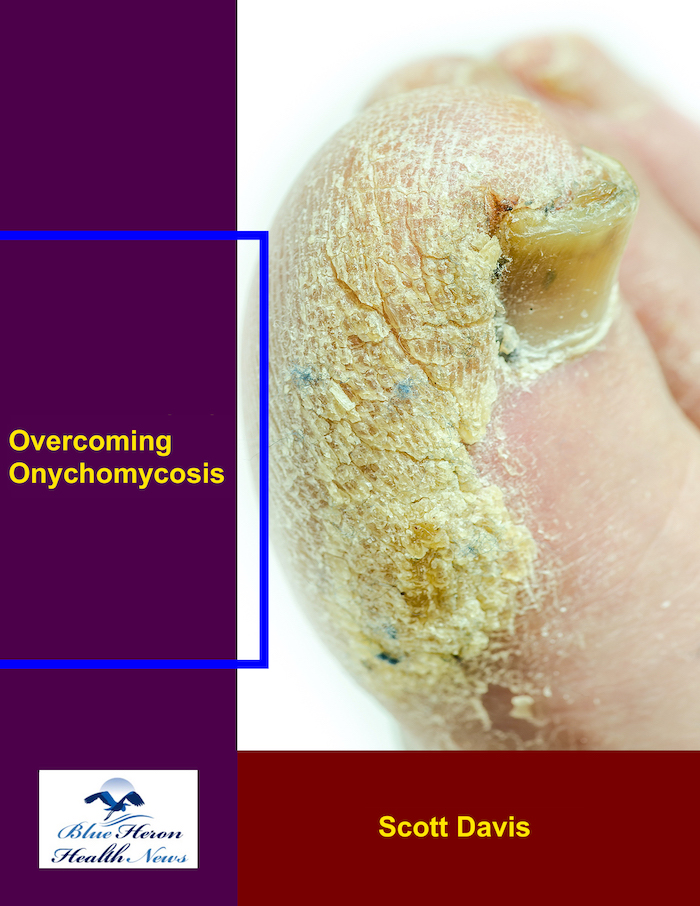
Overcoming Onychomycosis™ By Scott Davis If you want a natural and proven solution for onychomycosis, you should not look beyond Overcoming Onychomycosis. It is easy to follow and safe as well. You will not have to take drugs and chemicals. Yes, you will have to choose healthy foods to treat your nail fungus. You can notice the difference within a few days. Gradually, your nails will look and feel different. Also, you will not experience the same condition again!

I’m Mr.Hotsia, sharing 30 years of travel experiences with readers worldwide. This review is based on my personal journey and what I’ve learned along the way. Learn more |