Overcoming Onychomycosis™ By Scott Davis If you want a natural and proven solution for onychomycosis, you should not look beyond Overcoming Onychomycosis. It is easy to follow and safe as well. You will not have to take drugs and chemicals. Yes, you will have to choose healthy foods to treat your nail fungus. You can notice the difference within a few days. Gradually, your nails will look and feel different. Also, you will not experience the same condition again!
What is the prevalence of insomnia in patients with chronic pain, and how do multimodal pain programs compare with hypnotic prescriptions?
Painfully Awake: The High Prevalence of Insomnia in Chronic Pain and a Comparison of Treatment Philosophies
The prevalence of insomnia in patients with chronic pain is extraordinarily high, representing not just a common comorbidity but a core component of the chronic pain experience itself, locked in a devastating and self-perpetuating vicious cycle. A vast body of clinical research, including numerous large-scale studies and comprehensive meta-analyses, has firmly established this powerful link. The data consistently show that a significant majority of individuals living with chronic pain conditionssuch as fibromyalgia, chronic low back pain, or arthritisalso suffer from a clinical sleep disturbance. Credible estimates from this research indicate that the prevalence of insomnia in the chronic pain population ranges from 50% to as high as 80%, a rate that is many times greater than that seen in the general population. This relationship is profoundly bidirectional. The presence of pain is a primary driver of insomnia; it can make it difficult to find a comfortable position, and spontaneous pain flares can cause frequent awakenings throughout the night, leading to fragmented and unrefreshing sleep. In turn, sleep deprivation has a powerful and detrimental effect on the pain system. A lack of restorative sleep has been shown to lower the body’s natural pain threshold, amplify the perception of existing pain, and impair the function of the descending pain-modulating pathways in the central nervous system that are supposed to dampen pain signals. This means that a poor night’s sleep directly leads to a worse pain day, and that worse pain day then makes it even harder to sleep the following night. This destructive feedback loop, often termed the “pain-insomnia cycle,” is a central reason why so many patients feel trapped and why addressing the sleep disturbance is not a secondary concern but an essential, non-negotiable part of effective pain management.
When it comes to treating the insomnia that plagues chronic pain patients, two fundamentally different therapeutic philosophies emerge: the targeted, pharmacological sedation offered by hypnotic prescriptions, and the holistic, skill-building rehabilitation provided by multimodal pain programs. Hypnotic medications, such as the commonly prescribed “Z-drugs” (zolpidem, zopiclone), work by enhancing the effects of the inhibitory neurotransmitter GABA in the brain. They are sedatives that chemically induce a state of sleep. Their primary advantage is their rapid onset of action, making them effective for the short-term management of sleep-onset insomnia. However, for a chronic problem intertwined with pain, this approach is fraught with significant limitations. Hypnotics do absolutely nothing to address the underlying cause of the wakefulnessthe pain itself. They merely sedate the patient despite the pain. This leads to a host of long-term problems, including the development of tolerance, where higher doses are needed to achieve the same effect, and physical dependence, which can lead to a severe rebound insomnia when the medication is stopped. Furthermore, these drugs can have significant side effects, including next-day cognitive impairment or “fogginess,” and an increased risk of falls, which is particularly dangerous for patients whose mobility may already be compromised by their pain condition. In stark contrast, multimodal pain programs operate from a biopsychosocial perspective, recognizing that chronic pain and its associated insomnia are complex problems that require an integrated, interdisciplinary approach. These programs do not offer a quick fix but instead aim to empower the patient with the skills to manage their condition over the long term. A core component of this approach is addressing sleep directly through Cognitive Behavioral Therapy for Insomnia (CBT-I), the gold-standard non-pharmacological treatment for insomnia. CBT-I involves changing unhelpful sleep-related behaviors (like spending too much time in bed awake) and restructuring the anxious and catastrophic thoughts about sleep and pain that fuel the insomnia. This is combined with physical therapy to gradually and safely improve physical function and reduce pain, and pain psychology to teach coping skills and relaxation techniques that lower the physiological arousal that interferes with sleep.
The comparison between these two approaches reveals the profound difference between short-term symptom suppression and long-term functional restoration. Hypnotic prescriptions represent a passive, single-modality approach that targets only the symptom of wakefulness. While they may provide temporary relief, their long-term use in the chronic pain population is strongly discouraged by clinical guidelines because they fail to treat the root cause, carry a significant risk of dependence and adverse effects, and do not improve the patient’s overall condition or quality of life. Multimodal pain programs, on the other hand, represent an active, patient-centered, and comprehensive approach that targets the entire pain-insomnia cycle. The goal is not to sedate the patient but to rehabilitate them. By combining physical, psychological, and behavioral interventions, these programs work synergistically to address all the contributing factors. The physical therapy component works to reduce the pain that disrupts sleep, while the psychological components (like CBT-I and pain coping skills training) work to break the behavioral and cognitive cycles that perpetuate the insomnia. The benefits of this approach, while slower to emerge than the effects of a sleeping pill, are far more durable and profound. Patients who complete a multimodal program not only learn to sleep better, but they also report lower pain levels, improved physical function, better mood, and a greater sense of self-efficacy and control over their condition. In essence, a hypnotic prescription is a temporary chemical crutch that can become a trap, whereas a multimodal pain program is an educational process that provides the patient with a permanent toolkit of self-management skills. While there may be a very limited role for the short-term use of hypnotics in an acute crisis, the evidence-based, gold-standard approach for managing the chronic and debilitating interplay of pain and insomnia is the comprehensive, rehabilitative strategy offered by a multimodal program.
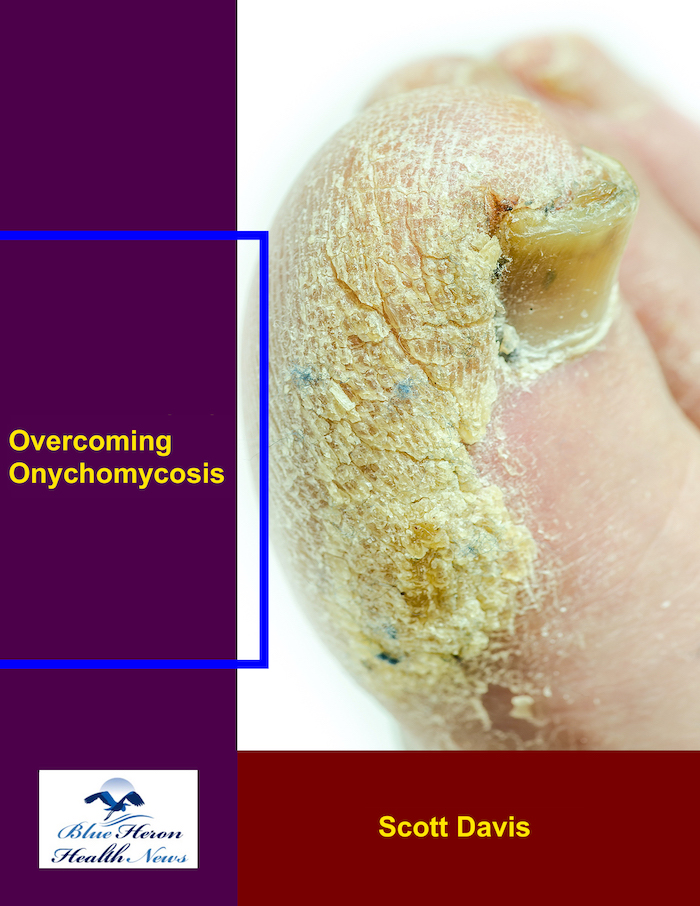
Overcoming Onychomycosis™ By Scott Davis If you want a natural and proven solution for onychomycosis, you should not look beyond Overcoming Onychomycosis. It is easy to follow and safe as well. You will not have to take drugs and chemicals. Yes, you will have to choose healthy foods to treat your nail fungus. You can notice the difference within a few days. Gradually, your nails will look and feel different. Also, you will not experience the same condition again!

I’m Mr.Hotsia, sharing 30 years of travel experiences with readers worldwide. This review is based on my personal journey and what I’ve learned along the way. Learn more |