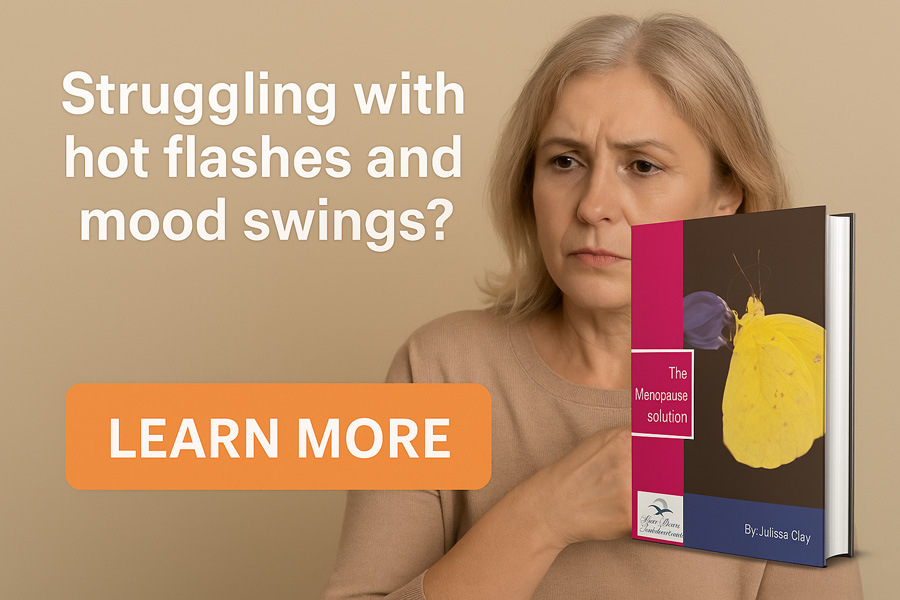
How can women prepare emotionally for menopause, what percentage feel unprepared, and how do educational programs compare to self-guided learning?
💖Navigating the Change: Emotionally Preparing for Menopause and a Comparison of Learning Pathways💖
Women can prepare emotionally for menopause by embracing a proactive, holistic, and compassionate approach that transforms the transition from a dreaded event into a manageable and meaningful stage of life. The cornerstone of this emotional preparation is education. Understanding the “why” behind the experiencethe profound hormonal shifts in estrogen and progesteroneis incredibly empowering. When a woman understands that the sudden mood swings, heightened anxiety, irritability, and cognitive “brain fog” are physiological symptoms and not a sign of personal failing, it reframes the entire experience, reducing fear and self-blame. This knowledge is the foundation upon which other emotional strategies are built. A crucial next step is the cultivation of radical self-compassion. Menopause is a significant life transition that often coincides with other major life events, and it is a time to be kind to oneself. This involves accepting the changes in the body and mind without judgment and giving oneself permission to rest when fatigued or to feel the emotions that arise, including any grief associated with the end of fertility. Another vital component is building a robust support system. For centuries, menopause has been shrouded in silence and taboo, leaving women to feel isolated in their experience. Actively breaking this silence by talking to partners, trusted friends, and, most importantly, other women who are going through or have gone through the transition can be profoundly validating. Sharing stories and strategies in a supportive environment normalizes the experience and creates a powerful sense of community and shared understanding. This emotional work should be underpinned by proactive physical health management, as the mind and body are inextricably linked. Prioritizing stress-reducing activities like yoga, meditation, or spending time in nature, focusing on sleep hygiene to combat insomnia, engaging in regular physical exercise to boost mood, and seeking help from menopause-aware medical professionals to discuss symptom management options like Hormone Replacement Therapy (HRT) are all integral parts of a comprehensive emotional preparedness plan.
Despite menopause being a universal and inevitable life stage for half the population, a staggering percentage of women feel completely unprepared for its arrival, a reality confirmed by numerous large-scale surveys and reports from major health organizations. This “preparedness gap” is a significant public health issue. The data from these surveys is remarkably consistent and deeply concerning, with most studies revealing that a vast majority of womenoften with figures as high as 70% to 90%report feeling ill-informed and emotionally unprepared for the physical and mental changes that accompany the menopause transition. Many women express surprise at the intensity and breadth of the symptoms, particularly the psychological ones like anxiety and brain fog, which they had not been taught to expect. A significant contributing factor to this lack of preparedness is a systemic failure within healthcare and society to proactively educate women. Many survey respondents report that their own primary care physicians or gynecologists never initiated a conversation about perimenopause or menopause, leaving them to navigate the often-confusing onset of symptoms entirely on their own. This lack of guidance and information fosters an environment of fear and uncertainty, where normal physiological changes can be mistaken for serious illness, and where women are more likely to suffer in silence without seeking the effective treatments and support that are available.
When it comes to bridging this knowledge gap, the comparison between structured educational programs and self-guided learning reveals a trade-off between accessibility and reliability. Self-guided learning is currently the most common method by which women gather information. This involves independently seeking out knowledge from a vast and ever-growing landscape of resources, including books, websites, podcasts, social media influencers, and health apps. The primary advantages of this approach are its immediate accessibility and low cost. A woman can start learning at any time, at her own pace, and often for free. However, this pathway is fraught with significant challenges. The quality of information is wildly variable and largely unregulated. It can be incredibly difficult for a layperson to distinguish between evidence-based, medically sound advice and dangerous misinformation or marketing claims for unproven products. The sheer volume of information can be overwhelming, leading to a fragmented understanding rather than a clear, actionable plan. In contrast, a structured educational programwhether offered by a hospital, a workplace wellness initiative, or a certified menopause expertprovides a curated, comprehensive, and evidence-based curriculum. These programs are designed to cut through the noise, delivering reliable information from a team of credible experts, such as doctors, dietitians, and psychologists, in a logical and easy-to-digest format. One of the most significant benefits of a structured program is the element of community. By bringing women together in a safe and facilitated group setting (either in-person or online), these programs create a powerful space for shared experience, validation, and peer support, directly combating the isolation that so many women feel. While self-guided learning can be a lonely endeavor, a structured program fosters connection and a sense of collective empowerment. The primary drawbacks of formal programs are their reduced accessibility, often involving a financial cost and a fixed time commitment. Ultimately, the two approaches are not mutually exclusive. The ideal journey may involve a blend: using self-guided resources to build initial awareness and identify personal questions, followed by participation in a structured program to gain a deeper, more reliable understanding and, crucially, to build a community of support to navigate the transition with confidence and grace.
The Menopause Solution™ By Julissa Clay – Blue Heron Health News The Menopause Solution it can be concluded easily that you should try this program at least once if menopause is destroying your internal organs or deteriorating your physical health to a considerable level. This program can help in resolving your health issues caused by perimenopause and menopause in a completely natural manner. You can use this program without any risk as you can get your money back if you are not satisfied with its results.

I’m Mr.Hotsia, sharing 30 years of travel experiences with readers worldwide. This review is based on my personal journey and what I’ve learned along the way. Learn more |