
The Chronic Kidney Disease Solution™ By Shelly Manning It is an eBook that includes the most popular methods to care and manage kidney diseases by following the information provided in it. This easily readable eBook covers up various important topics like what is chronic kidney disease, how it is caused, how it can be diagnosed, tissue damages caused by chronic inflammation, how your condition is affected by gut biome, choices for powerful lifestyle and chronic kidney disease with natural tools etc.
How does early vaccination planning (HBV, influenza) in CKD reduce infection-related admissions, what cohort data show, and how does this compare with dialysis-start vaccination?
Early vaccination planning for Hepatitis B (HBV) and influenza in Chronic Kidney Disease (CKD) significantly reduces infection-related hospital admissions by building a stronger, more protective immune response before the immune system is severely weakened by advanced kidney failure. This proactive approach is substantially more effective than waiting to vaccinate at the start of dialysis, as the healthier immune system in earlier CKD stages can generate higher and more durable antibody levels.
The Immunocompromised State: Why CKD Patients Are Vulnerable 🛡️
Patients with chronic kidney disease live in a state of progressive immune dysfunction. As the kidneys fail, they are unable to effectively filter waste products from the blood, leading to a build-up of toxins in a condition known as uremia. This uremic environment is profoundly hostile to the immune system. It directly impairs the function of key immune cells, including T-cells and B-cells, which are the soldiers and intelligence officers of our body’s defense network. B-cells, which are responsible for producing the antibodies that recognize and neutralize viruses, become sluggish and less effective. T-cells, which coordinate the immune attack and kill infected cells, also function poorly. This state, often referred to as “uremic immunosuppression,” is compounded by the chronic inflammation that is a hallmark of CKD. The result is a patient who is highly vulnerable to infections that a healthy person could easily fight off. Influenza can quickly progress to severe pneumonia, leading to hospitalization and even death. Hepatitis B infection is a particularly grave threat. For a patient with CKD who may eventually need a kidney transplant, contracting HBV can make them ineligible for this life-saving procedure. Furthermore, the dialysis environment itself, with its frequent use of needles and potential for blood exposure, creates a high-risk setting for HBV transmission. This profound vulnerability is why vaccine-preventable diseases pose such a disproportionate threat to the CKD population and why a proactive vaccination strategy is not just beneficial, but essential.
Evidence from the Field: What Cohort Data Reveals 📊
Large-scale observational data and cohort studies provide a clear and compelling picture of the benefits of early vaccination. The primary measure of a vaccine’s success is seroconversion or seroresponsethe ability of the body to produce a protective level of antibodies after vaccination. For the Hepatitis B vaccine, numerous cohort studies have compared the response rates of patients vaccinated in pre-dialysis stages (e.g., CKD stages 3-4) with those vaccinated after starting dialysis (stage 5). The data is unequivocal: pre-dialysis patients consistently demonstrate significantly higher seroresponse rates. Studies often show that 70-90% of pre-dialysis patients will mount a protective antibody response, whereas this number can plummet to 50% or even lower in patients already on dialysis. This means that waiting until dialysis starts leaves half of the patient population unprotected despite vaccination. Furthermore, cohort data shows that for those who do respond, the antibody levels achieved are higher and more durable in the pre-dialysis group, providing longer-lasting protection. For the influenza vaccine, the data tells a similar story. Cohort studies have shown that CKD patients who are vaccinated annually have significantly lower rates of influenza-related hospitalization and all-cause mortality during flu season compared to their unvaccinated counterparts. While the flu vaccine’s effectiveness is known to be somewhat blunted in CKD patients overall, studies suggest that the response is still more robust in earlier stages of the disease, before the immune system is maximally suppressed by end-stage uremia. The collective evidence from these large patient cohorts strongly supports the clinical guideline recommendations to complete the HBV vaccination series and ensure annual influenza vaccination well before a patient is expected to require dialysis.
A Tale of Two Timelines: Pre-Dialysis vs. Dialysis-Start Vaccination 🤔
The comparison between a proactive, pre-dialysis vaccination strategy and a reactive approach at the start of dialysis highlights a stark difference in clinical outcomes and effectiveness. It is a tale of immunological opportunity versus compromised defense. The core difference lies in the health of the immune system at the time of vaccination. A patient in CKD stage 3 or 4, while having an impaired immune system, still retains a significant capacity to respond to a vaccine. Their B-cells and T-cells, though affected by uremia, are functional enough to recognize the vaccine antigens and build a strong immunological memory. Vaccinating at this stage is like training an army when it is still relatively well-fed and organized. In stark contrast, a patient just starting dialysis is at their most vulnerable. They are often malnourished, highly uremic, and their immune system is severely suppressed. Vaccinating at this point is like trying to train an exhausted, disorganized, and under-equipped army in the middle of a crisis. The response is predictably poor, with lower rates of seroconversion and weaker, shorter-lasting antibody protection. Beyond the immunological advantage, there are significant logistical benefits to early vaccination. The HBV vaccine is a multi-dose series that takes four to six months to complete. Initiating this series in the calmer, more stable setting of a nephrology clinic is far more manageable than trying to administer it amidst the complex and demanding schedule of a new dialysis patient. Early vaccination ensures that by the time a patient faces the high-risk environment of a dialysis unit or is being evaluated for a transplant, they are already protected. Waiting until dialysis begins is a missed opportunity that leaves a critically vulnerable patient unnecessarily exposed to preventable, life-threatening infections. It represents a reactive approach to a problem that is best managed with proactive, forward-thinking care.
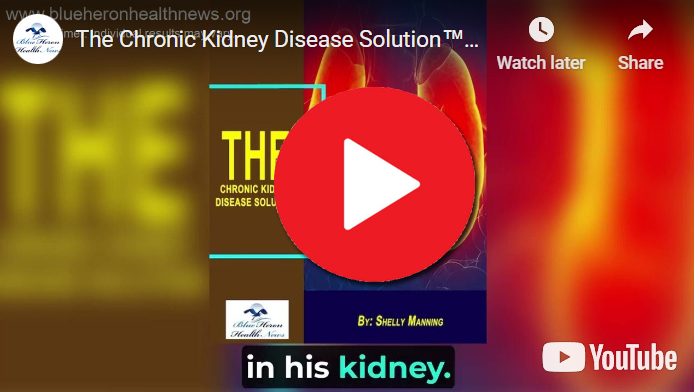
The Chronic Kidney Disease Solution™ By Shelly Manning It is an eBook that includes the most popular methods to care and manage kidney diseases by following the information provided in it. This easily readable eBook covers up various important topics like what is chronic kidney disease, how it is caused, how it can be diagnosed, tissue damages caused by chronic inflammation, how your condition is affected by gut biome, choices for powerful lifestyle and chronic kidney disease with natural tools etc.

I’m Mr.Hotsia, sharing 30 years of travel experiences with readers worldwide. This review is based on my personal journey and what I’ve learned along the way. Learn more |